


Vương Family Mansion (Hmong King Palace) in Sà Phìn: history, architecture, hours, tickets
A guide to the Vương Family Mansion, the Hmong King Palace in Sà Phìn, about 13 km from Đồng Văn: the Vương family's story, the stone-and-timber architecture, tickets, opening hours, how to get there and how to combine it with Lũng Cú, Pao's House and Sà Phìn market.
Ms. Judy · · 15 min read
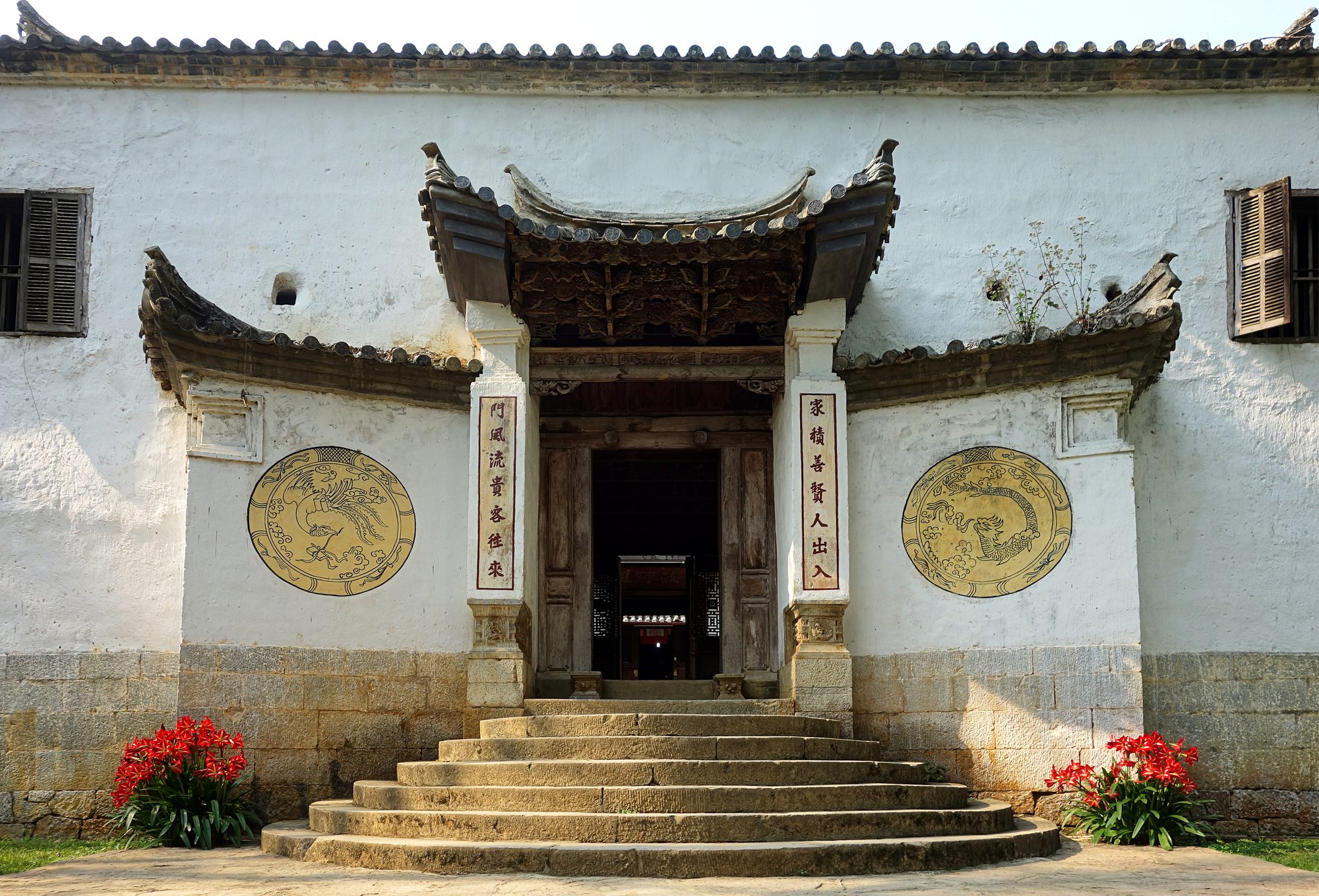
The Vương Family Mansion (Dinh thự họ Vương), known as the Hmong King Palace (Dinh Vua Mèo), is a stone-and-timber residence in Sà Phìn, about 13 km from central Đồng Văn, built around 1898–1907; entry costs roughly 20,000–25,000 VND (≈ US$ 1) and it is usually open from the morning until about 5 pm.
On the Hà Giang Loop it is the easiest stop to add to a day trip to Lũng Cú, and one of the few places on the Rocky Plateau where you can see how a Hmong family lived, governed and defended itself more than a century ago. This guide covers whose palace it was, which order to walk through it in, which details to look for, and how to fit it into your itinerary without rushing.
Quick facts before you go
| Info | Details (approximate, may change) |
|---|---|
| Names | Dinh thự họ Vương (Vương Family Mansion); also Dinh Vua Mèo (Hmong King Palace), Nhà Vương |
| Location | Sà Phìn commune, about 13 km from central Đồng Văn (some sources say 15 km) |
| Status | National Architectural and Artistic Monument (1993) |
| Opening hours | Usually daily from the morning until about 5 pm |
| Entrance ticket | About 20,000–25,000 VND per person (≈ US$ 1) |
| Time to allow | About 1 hour, plus 30 minutes if you like to take your time with photos |
| Best time | Morning, while the light is still soft |
| Easy to combine with | Lũng Cú, Nhà của Pao (Sủng Là), Sà Phìn market, Đồng Văn old quarter |
Whose palace? Two generations of the Vương family
The palace is tied to a father and son:
- Vương Chính Đức (1867–1947), who had it built.
- Vương Chí Sình (1886–1962), his son, who later joined the revolution, served as a deputy in the 1st and 2nd National Assembly and became the first chairman of Đồng Văn district after 1945.
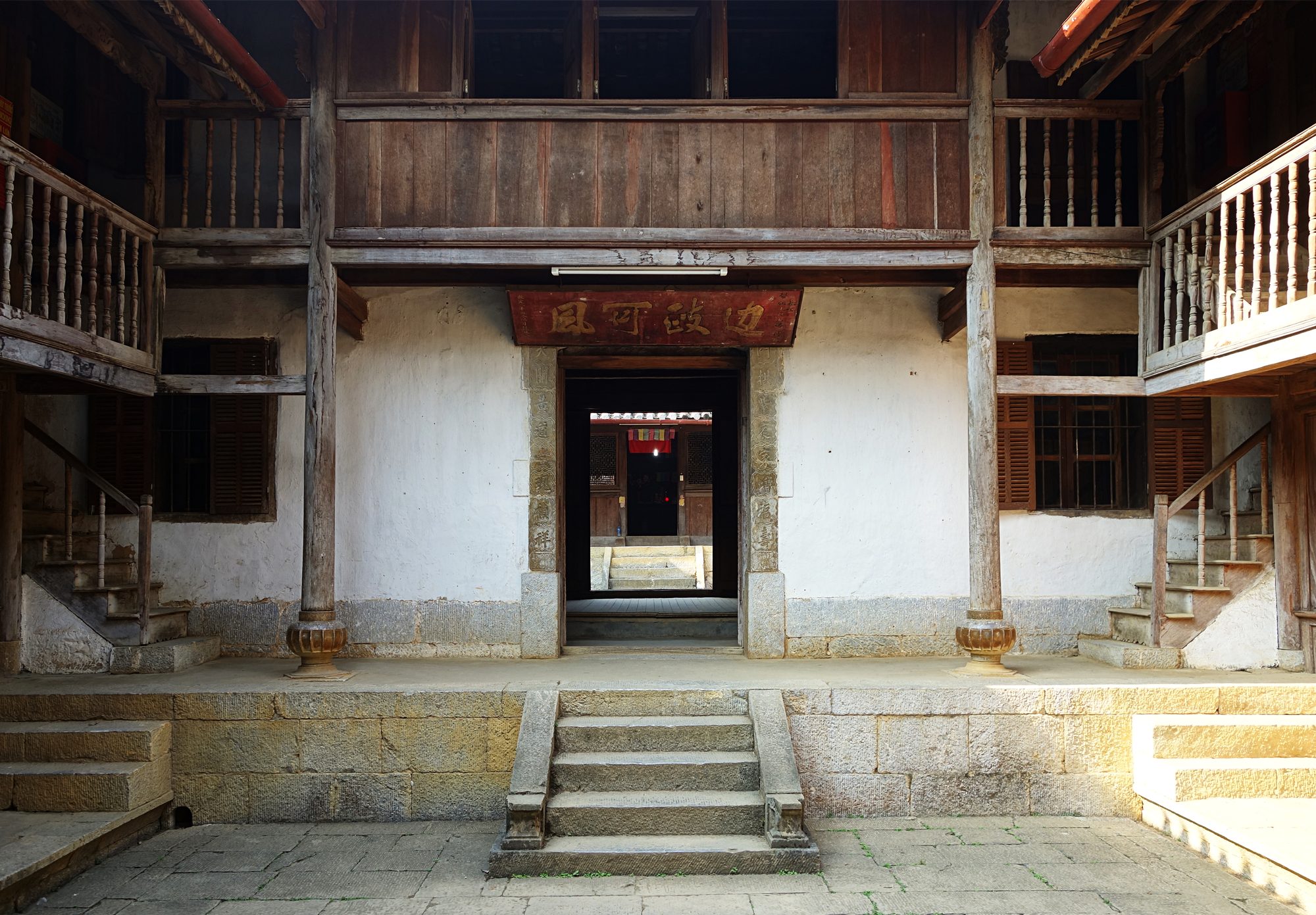
In 1923, Emperor Khải Định presented the Vương family with a plaque reading "Biên chính khả phong". When you step through the gate into the first inner courtyard, look up at the doorway ahead: a plaque with those four Chinese characters hangs right above it.
Why "Hmong King Palace"?
"Mèo" is an old name for the Hmong (Mông) people; today the correct name is Mông. "Vua Mèo" — "King of the Hmong" — was a popular title for the head of the Vương family, not the title of a real royal dynasty. That's why the official name of the monument is Dinh thự họ Vương, while Dinh Vua Mèo and Nhà Vương are the everyday names — and the ones you'll hear most from drivers, easy riders and homestay hosts when you ask the way.
Construction and restoration
Construction ran from around 1898 to 1907 (sources differ slightly on the dates) and the recorded cost was 150,000 Indochinese silver piastres. In 1993 the palace was listed as a National Architectural and Artistic Monument (Decision 937/QĐ-BT, 23 July 1993). It has been restored at a cost of about 10 billion VND, with the last major repair in 2007.
Since 1 July 2025, Hà Giang province has been merged into Tuyên Quang province, and the palace now belongs to Sà Phìn commune (made up of the former Sà Phìn, Sủng Là, Sính Lủng and Sảng Tủng communes), but when you ask for directions, everyone still says "Hà Giang".
Architecture: a walk through the palace
The palace isn't huge, but it has several layers of houses and courtyards that open into one another, so following the order below makes it much easier to picture than wandering at random.
The turtle-shell mound and the fir avenue
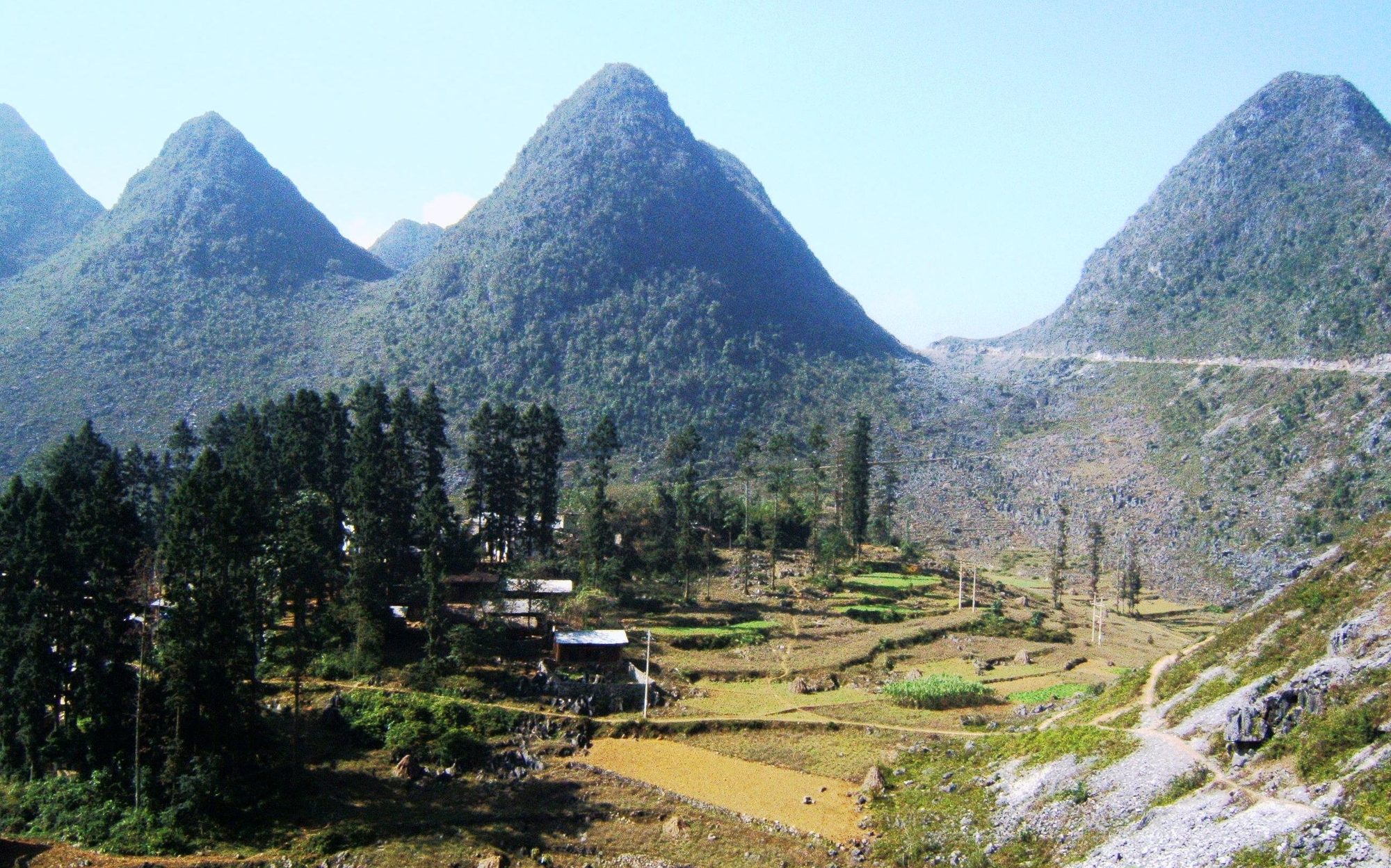
The palace sits on a mound shaped like a turtle shell, chosen according to feng shui, with mountains at its back. From a distance you'll see the compound half-hidden among green trees, with the pointed limestone peaks typical of Sà Phìn behind it. You arrive along an avenue of sa mộc (Chinese fir) trees leading to stone steps up to the gate — don't rush straight inside; pause at the start of the avenue to take in the whole setting.
The main gate and two rings of stone walls
The whole compound covers about 3,000 m², with more than 1,200 m² built up. It is enclosed by two rings of stone walls about 3 m high, pierced by 36 gun slits — a reminder that this was both a home and a stronghold. As you walk along the walls, look for the gun slits in the stonework.
The main gate has curved stone steps, an upswept roof and parallel inscriptions on either side. It's the palace's best-known view; if you want a photo of the gate without people, come early.
Front, middle and rear houses
Inside, there are 4 cross wings and 6 lengthwise wings arranged in three layers — the front, middle and rear houses — with 64 rooms over two floors. The houses are built around stone-paved courtyards; from one courtyard you look through a doorway into the next, which gives the compound a striking sense of depth even though it isn't very large.
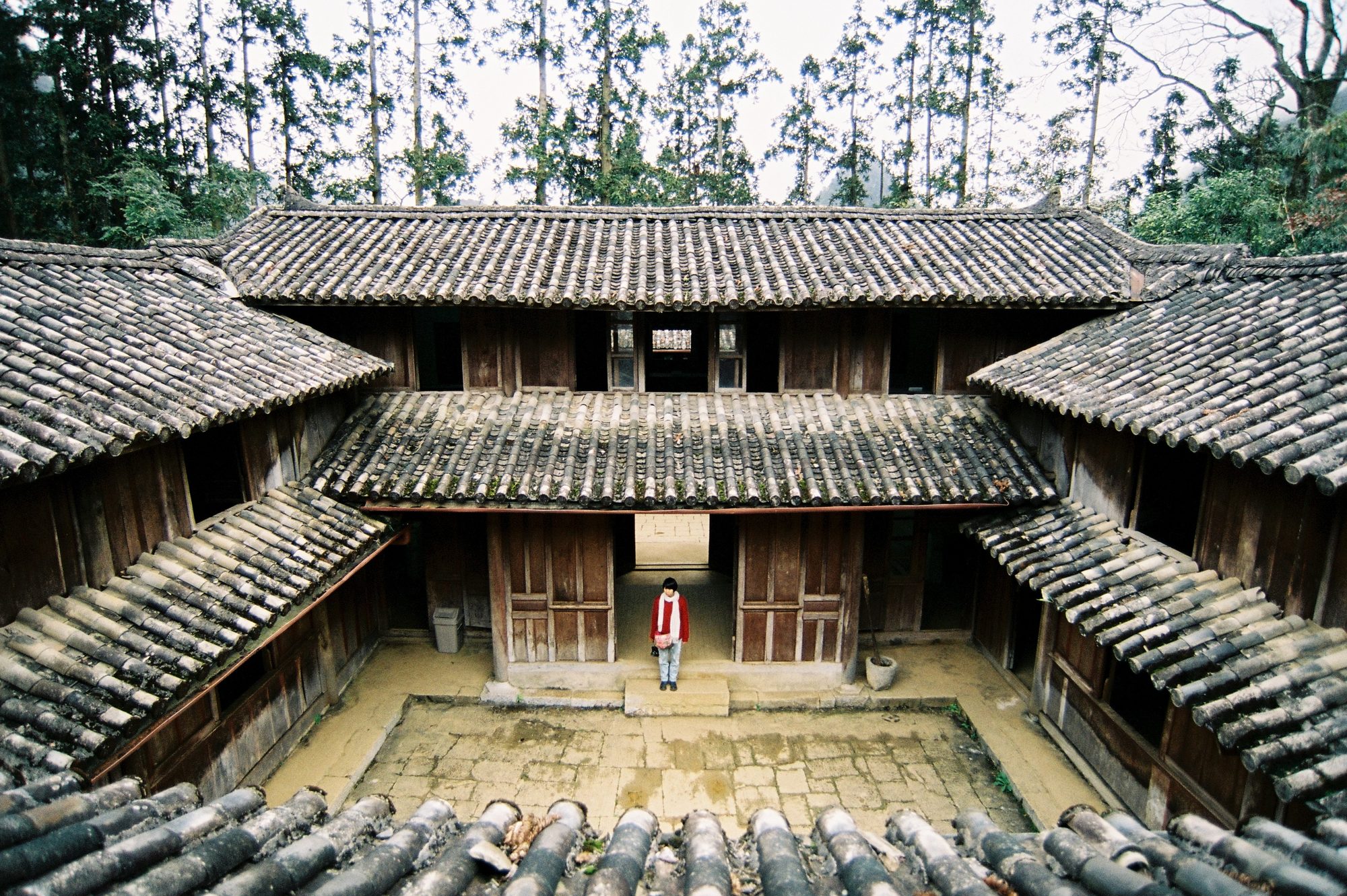
As you go, notice how the two-storey timber wings face inwards onto the courtyards while the outside is thick stone wall. That inward-looking layout suits both the cold plateau climate and the palace's need for defence.
Materials and details worth noticing
- Blue stone for the walls, steps and column bases.
- Pơ mu / pine wood for the timber frame.
- Yin-yang tiles on the roofs.
- Column bases carved in the shape of poppy pods — a small but very distinctive detail, so bend down and take a close look.
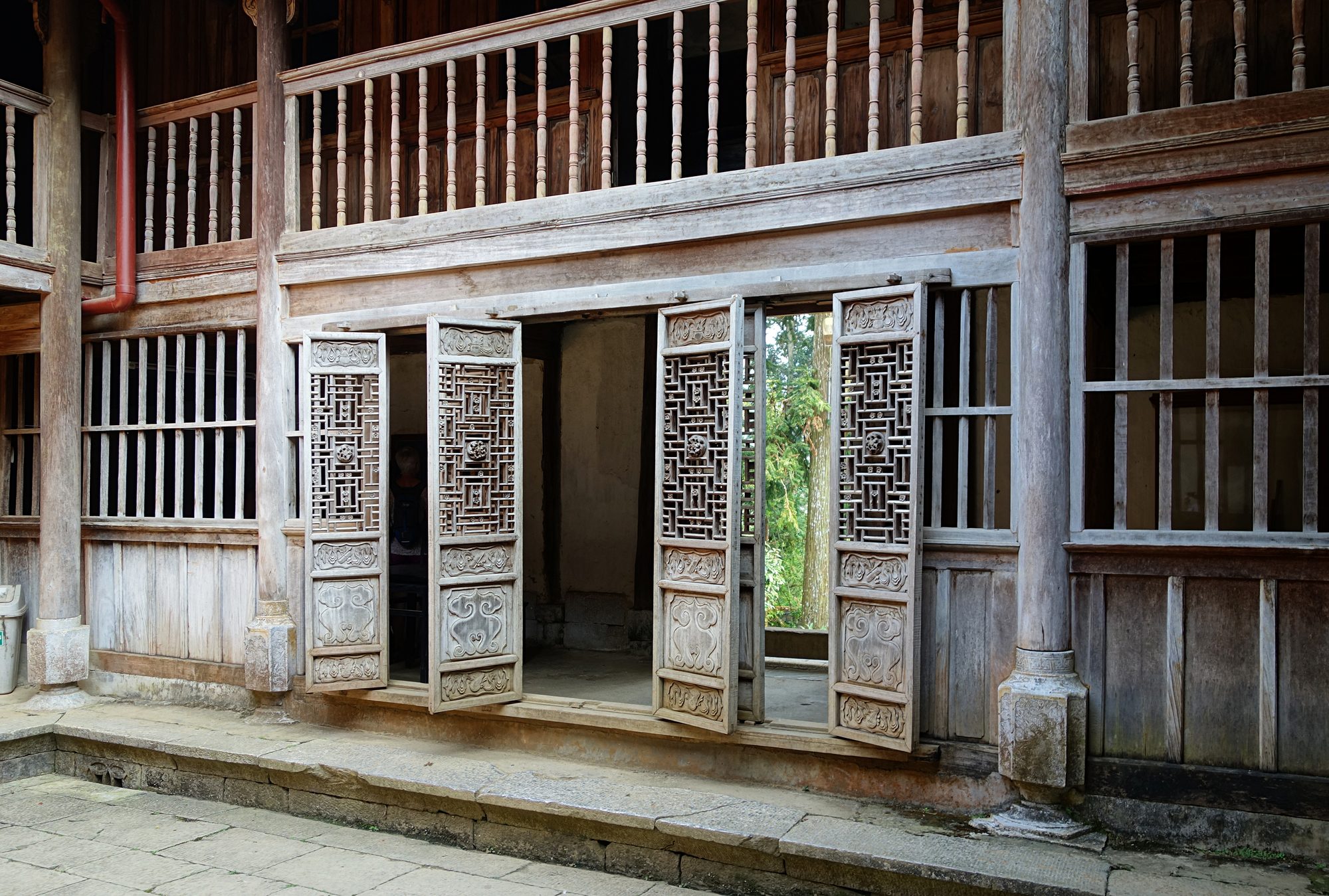
- Carved wooden doors with pierced lattice panels that let light into the rooms.
Three styles under one roof
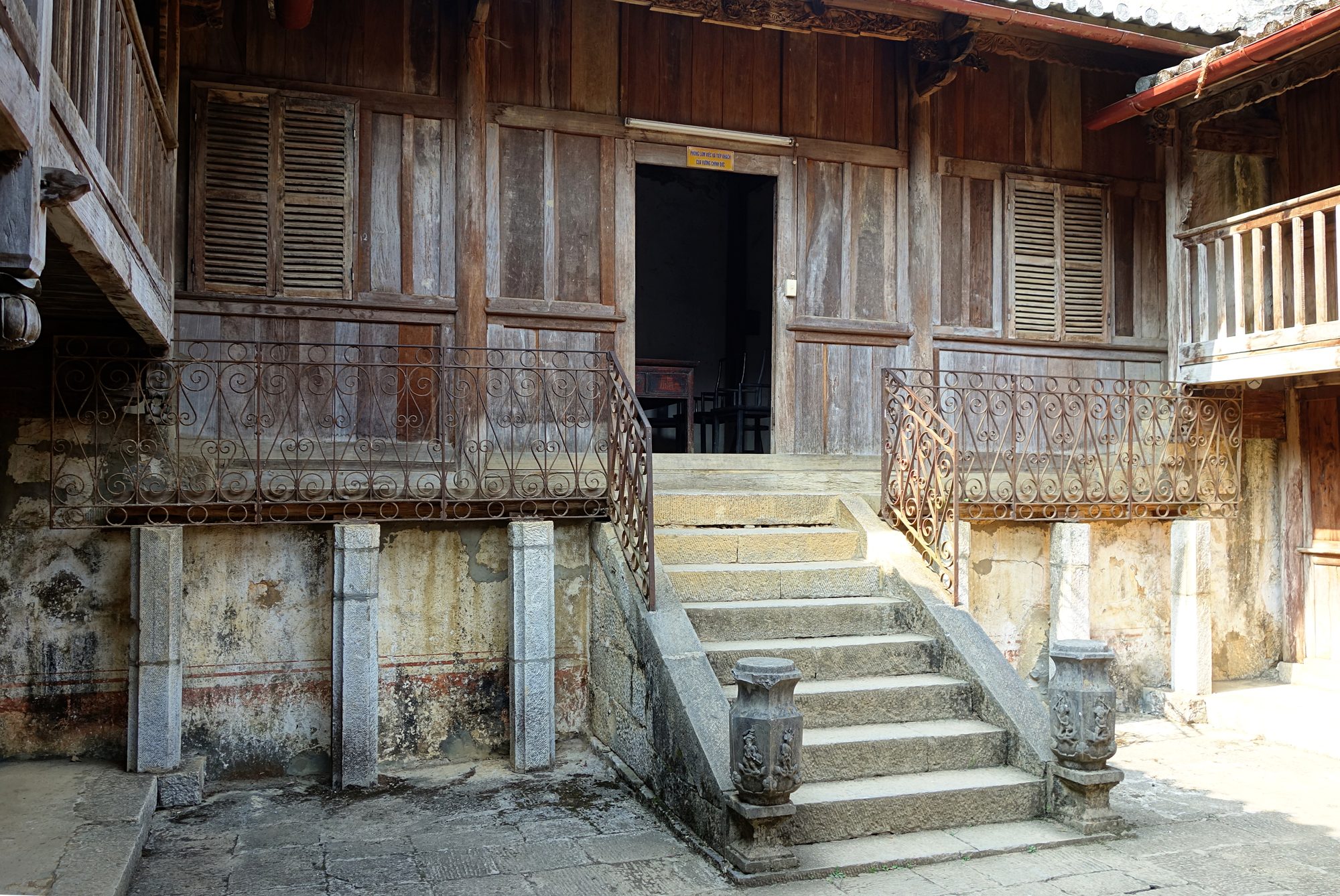
The style blends Chinese architecture (from Yunnan), a few French touches and Hmong stone craftsmanship. The curved roofs, parallel inscriptions and Chinese-character plaques recall Yunnan; the wrought-iron railings and wooden shutters in the second courtyard have a Western feel; and the stone walls, steps and column bases show the skill of the highland stonemasons.
Opening hours, tickets and how long to stay
- Opening hours: usually daily from the morning until about 5 pm. Arrive after 4 pm and you'll have to hurry.
- Ticket: about 20,000–25,000 VND per person (≈ US$ 1). Bring cash in small notes.
- Time: about 1 hour to see all the houses and take photos.
Ticket prices and hours can change, so check at the ticket booth or with your homestay before you go.
Getting there from Đồng Văn
From central Đồng Văn, head back along QL4C towards Yên Minh for about 13 km (the palace sits right on QL4C, on the stretch from Yên Minh via Sủng Là up to Đồng Văn). At Sà Phìn you'll see the palace in the valley beside the highway; a short branch road takes you there.
There are two ways up to Lũng Cú: the turn-off about 2 km from Đồng Văn (about 15 km shorter), or the road north from Sà Phìn, which passes the palace. The easiest is to stop at the palace on your way up from Yên Minh to Đồng Văn. See our guide to the Đồng Văn stage of the Hà Giang Loop.
Ride yourself or go with an easy rider?
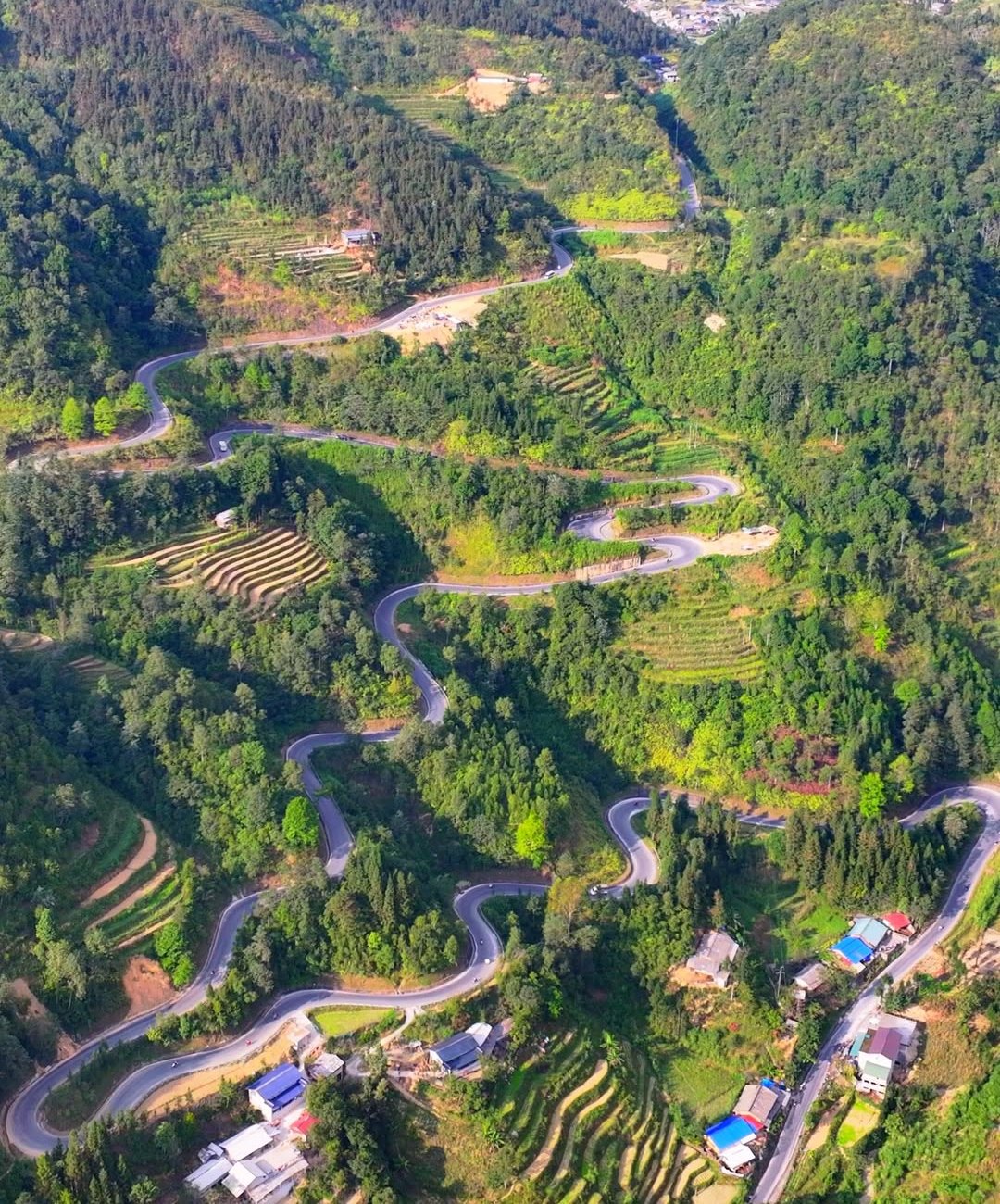
The stretch of QL4C around Sà Phìn is a mountain road with plenty of bends, shared with cars and buses. If you're not used to riding a motorbike on mountain passes, going with an easy rider is safer and more relaxing — and you get someone to tell you the Vương family's story. Our article easy rider or ride yourself compares the two options in detail.
A few tips if you ride yourself:
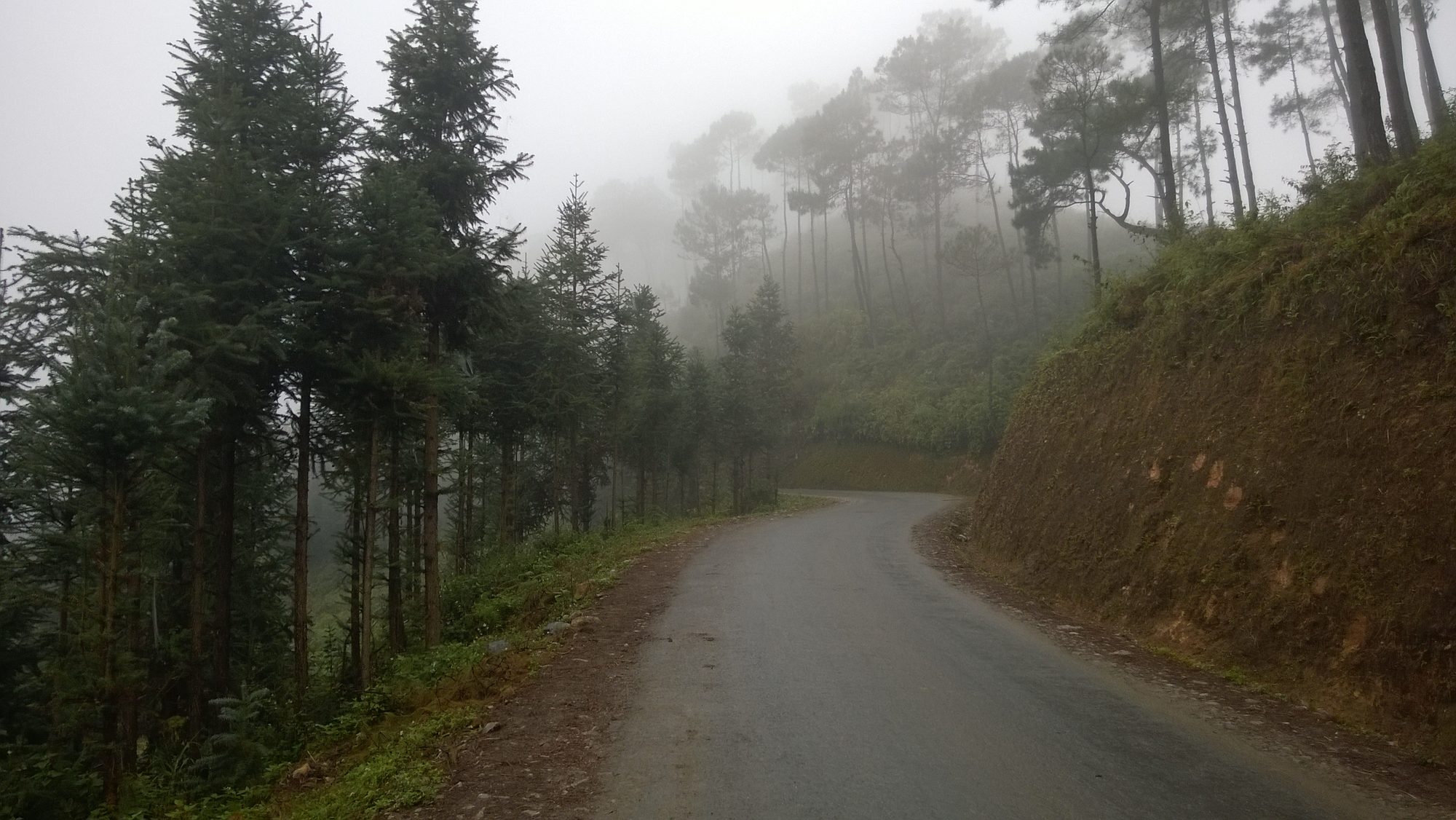
- Fog is common on the plateau early in the morning and late in the afternoon; turn your lights on, slow down and never overtake on a bend.
- In November and December it gets dark early (sunset around 17:15–17:30), so plan to be back in Đồng Văn before nightfall.
- Wear a warm jacket and gloves; the wind on the passes is much colder than it feels when you're standing still.
What to combine with the Hmong King Palace
Lũng Cú and Lô Lô Chải
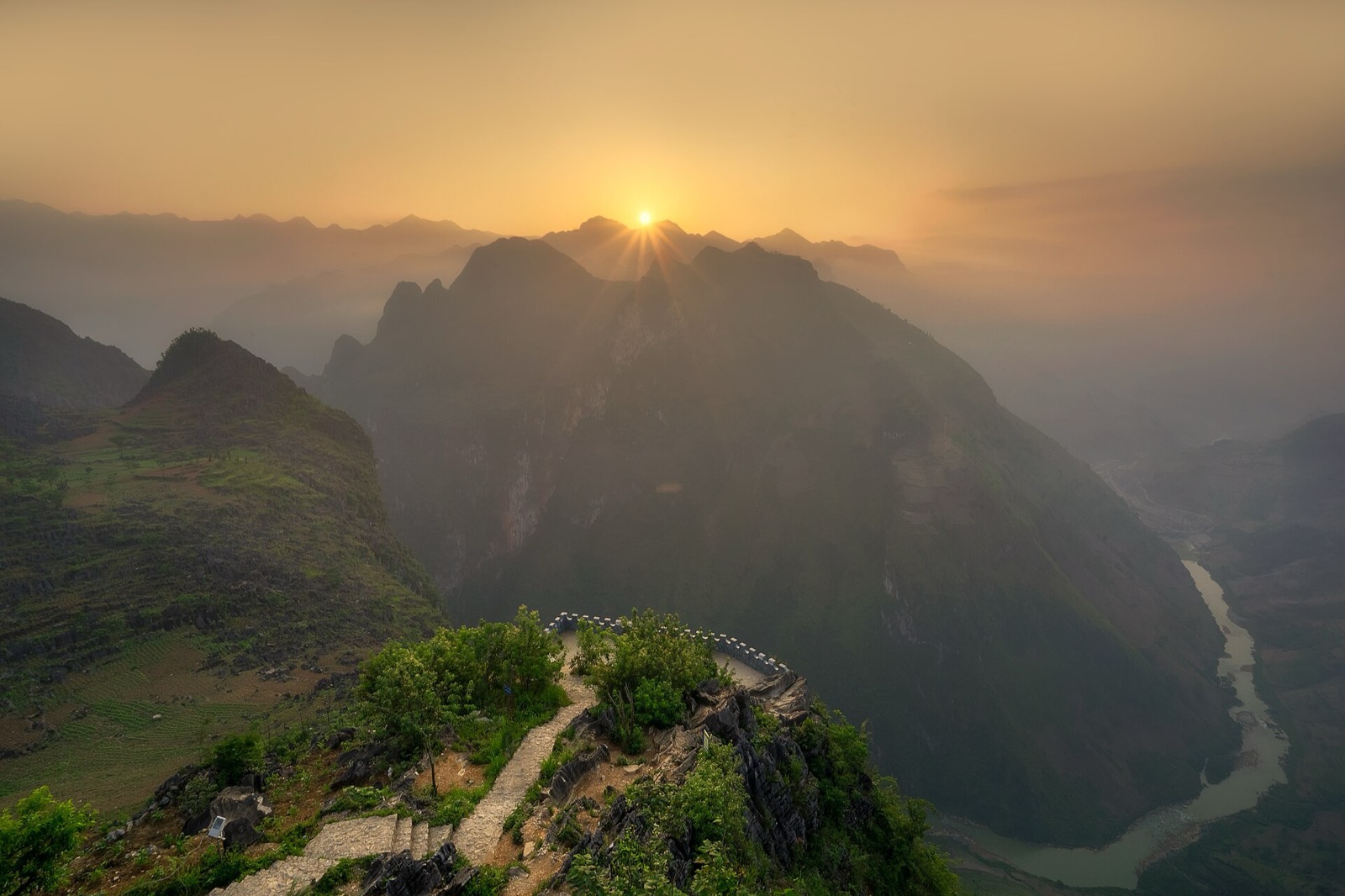
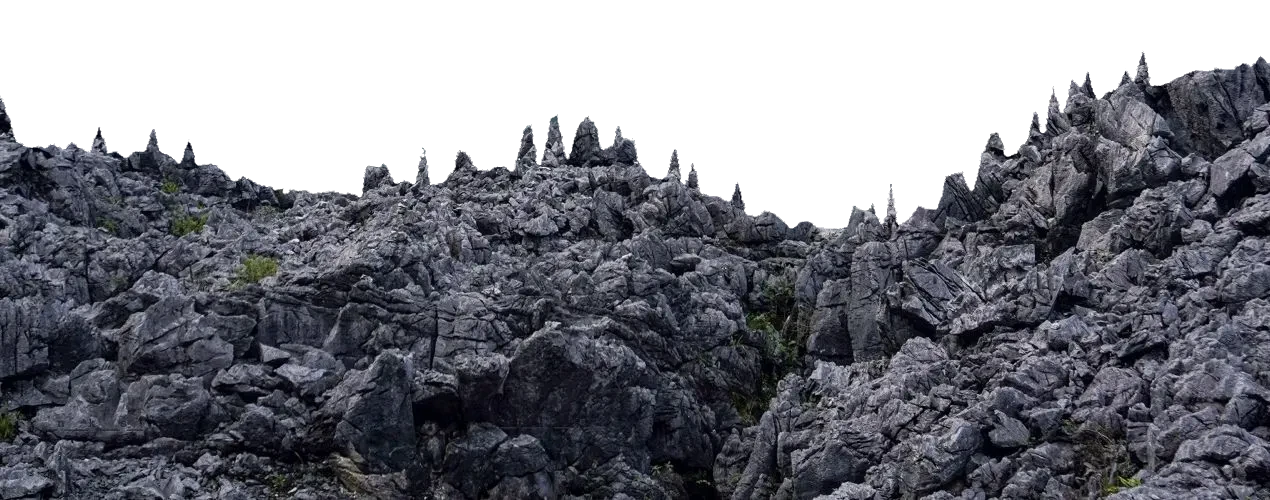
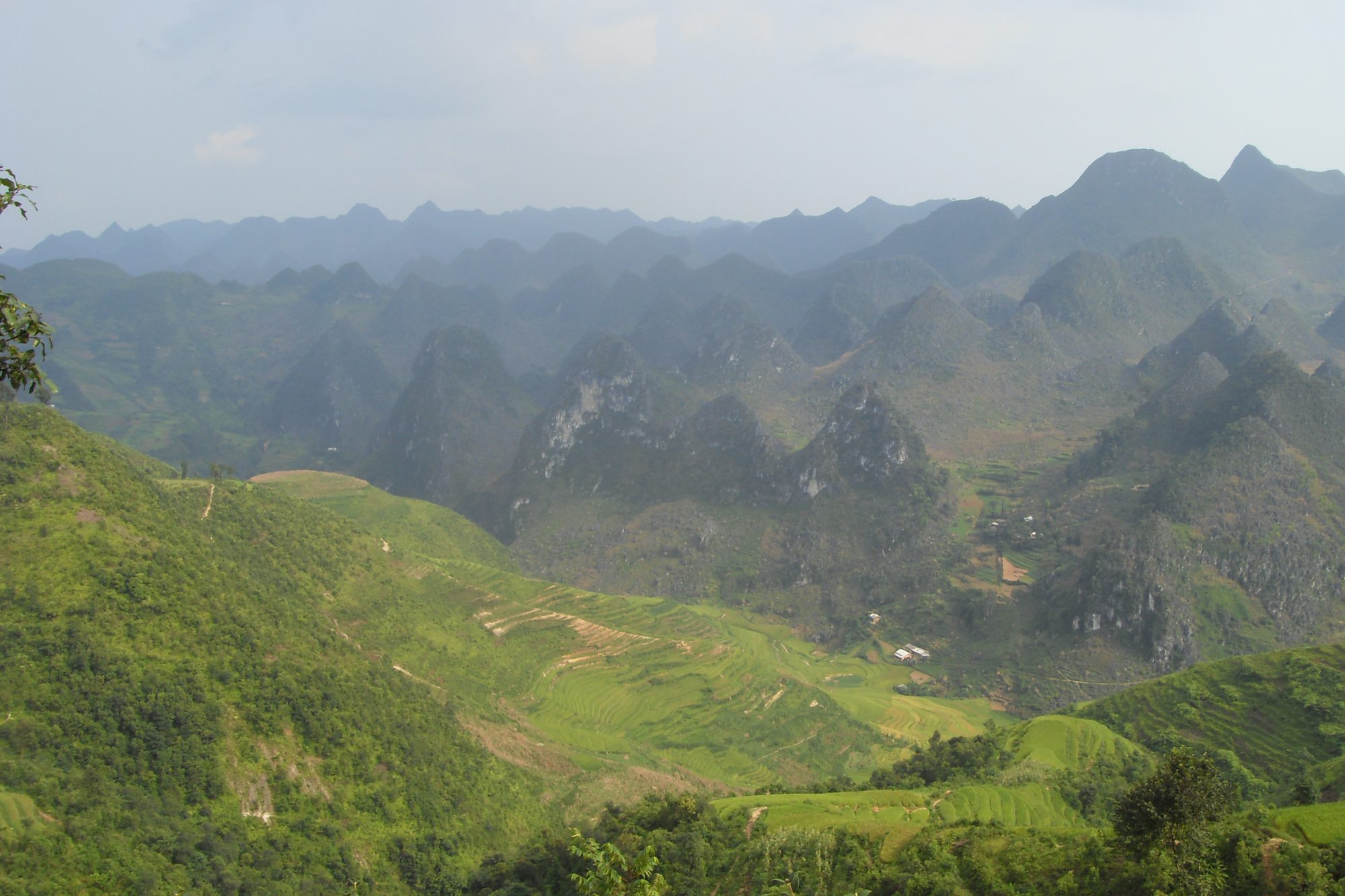
Lũng Cú is about 24 km from Đồng Văn. The simplest plan is to stop at the palace on the way up, visit the flag tower and the nearby Lô Lô Chải village, then head back to Đồng Văn. Along the way, ridge after ridge of limestone peaks and corn fields clinging to the slopes make this stretch well worth a few stops. See the Lũng Cú page.
Nhà của Pao (Pao's House)
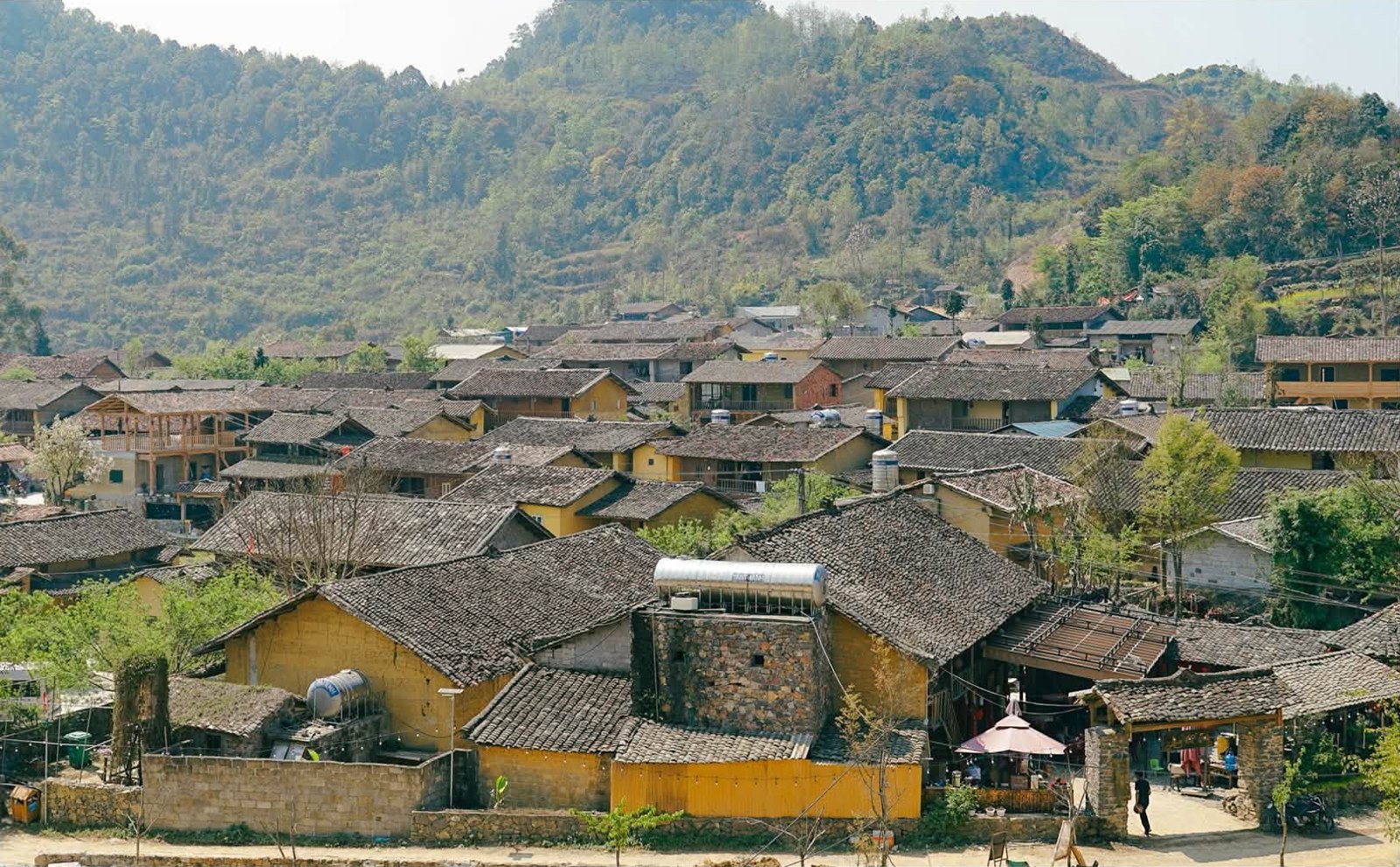
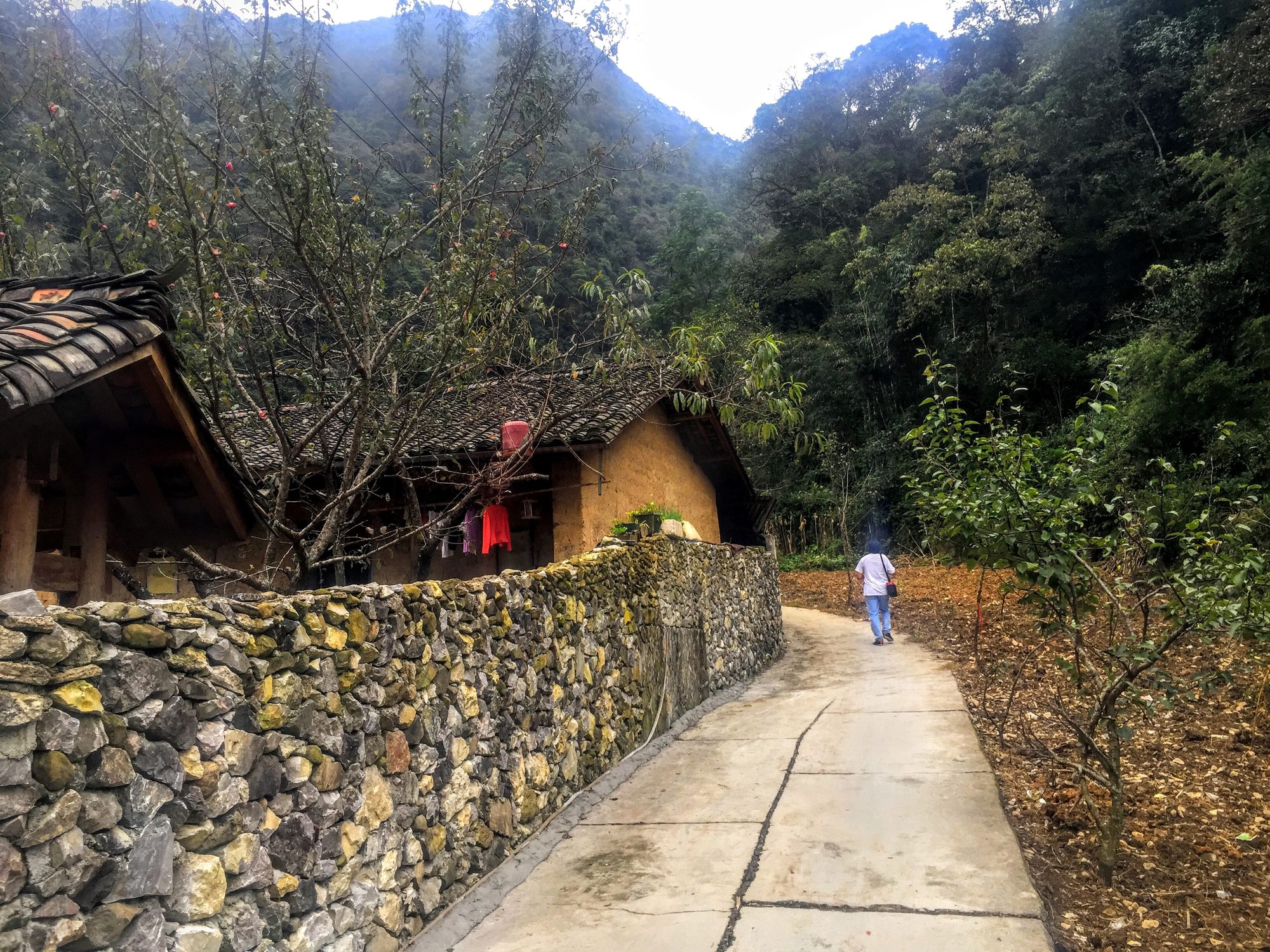
Nhà của Pao in Lũng Cẩm, Sủng Là — the village used as a film set — is about 7–10 km from the palace, with an entry fee of about 10,000 VND. It's easy to do both in the same half-day. Sủng Là is part of the new Sà Phìn commune, with rammed-earth houses, dry-stone walls and narrow lanes between gardens — perfect for a slow walk after the palace.
Sà Phìn market
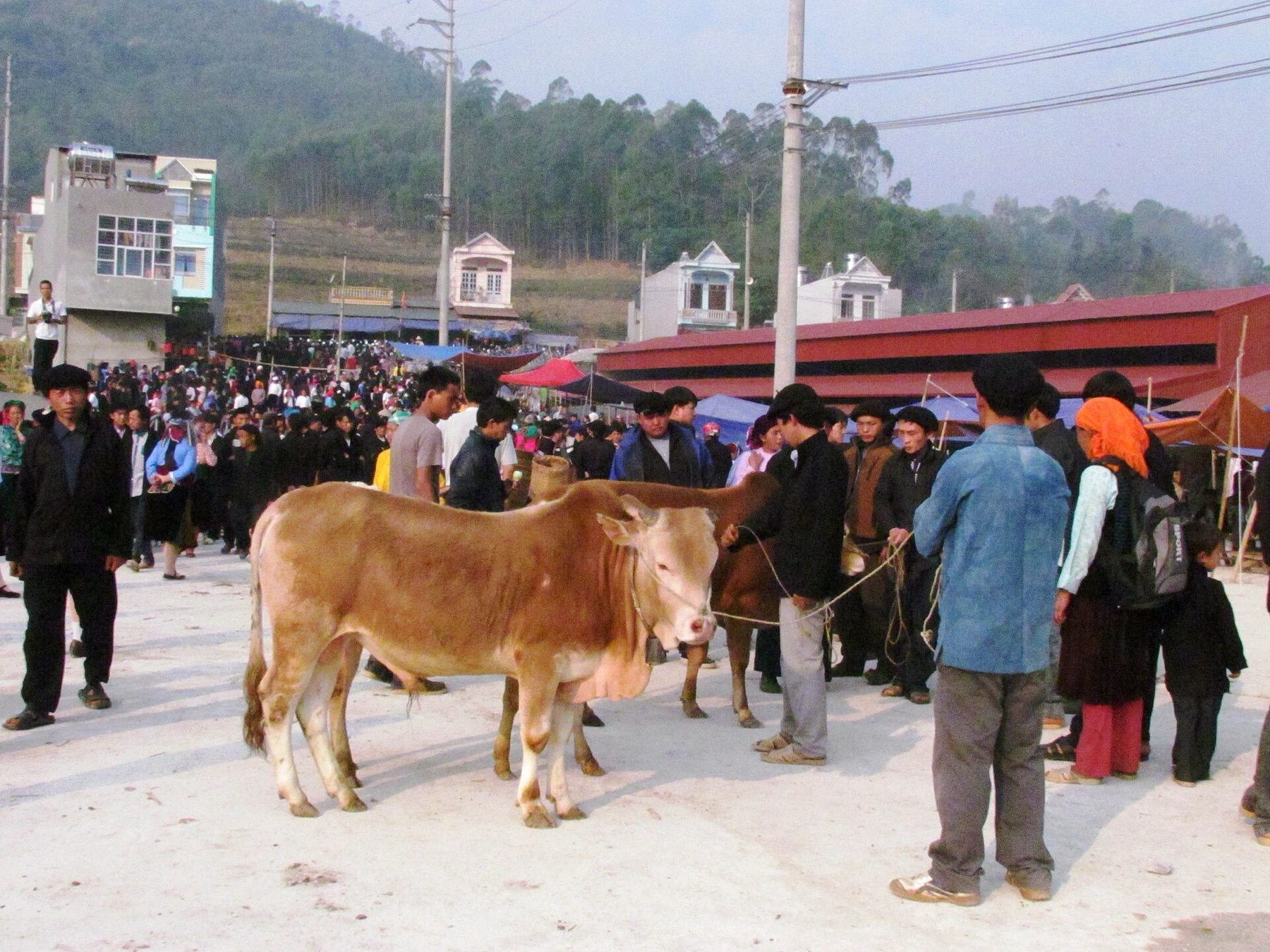
Sà Phìn market is held right beside QL4C and is a "rolling market": it takes place every 6 days, so each week it moves to a different weekday. To find out when the next one is, ask your homestay in Đồng Văn the evening before. If your visit falls on market day, allow extra time and come in the morning, as highland markets are busiest early in the day. Read more about Hà Giang's ethnic markets.
Đồng Văn old quarter: evenings and the Sunday market
After a day out to Sà Phìn and Lũng Cú, Đồng Văn old quarter is the most convenient place to stay. The old quarter is about 1 km long, with around 40 old rammed-earth houses with yin-yang tiles gathered around a U-shaped old stone market. In the evening you'll find cafés, lantern-lit houses and a few food stalls around the market.
If you stay into Sunday morning, don't miss the Đồng Văn Sunday market: vendors arrive from about 5:30, it's busiest around 7:00–10:00, and you'll find brocade, livestock, thắng cố, mèn mén and five-colour sticky rice. See our article on Đồng Văn old quarter, its nights and its market.
A suggested day around Đồng Văn
- Morning: Leave Đồng Văn early and visit the Hmong King Palace while the light is still soft.
- Midday: Continue up to Lũng Cú, the flag tower and Lô Lô Chải.
- Afternoon: On the way back, stop at Nhà của Pao or Sà Phìn market if it's market day, and spend the night in Đồng Văn old quarter.
If you're doing the full Loop, our 4-day, 3-night Hà Giang Loop itinerary shows where this day fits best.
Where to eat and sleep
Đồng Văn old quarter, about 13 km from the palace, is the most practical base for eating and sleeping because it has the most choice. A few well-known options:
- Cháo ấu tẩu — the region's signature rice porridge; try Cháo Mộc Miên near the old market.
- Bánh cuốn (steamed rice rolls) for breakfast, for example at Mrs Hà's at No. 31 Phố Cổ.
- Phố Cổ café, in a house more than a hundred years old at the corner of the old market.
For thắng cố, lạp xưởng sausage or smoked buffalo, see our guide to Hà Giang specialities worth trying.
Photo tips
- Morning is the best time for the gate and the fir avenue; avoid the harsh midday sun, which casts hard shadows on the stone walls.
- Stand at the start of the fir avenue and shoot straight towards the gate to include the stone steps; inside, get close-ups of the stone column bases and the yin-yang tiles.
- In the courtyards, stand on a threshold and shoot through the doorway into the next courtyard to capture the depth of the layered houses.
- The rooms are fairly dark; brace your camera against a column rather than using the flash.
Etiquette
- Respect the monument: don't climb the stone walls, and don't carve or write on the wood.
- If you want to photograph people around the palace or at the market, ask first — especially elderly people and children.
- If you want to fly a drone, ask the monument management first.
- Keep your voice down inside the rooms and take your rubbish with you.
When to go
- October–November: buckwheat flower season, with drier and clearer skies. In 2026, the 12th Buckwheat Flower Festival opened on the evening of 25 October in Đồng Văn commune, with activities running until the end of December. More in our buckwheat flower season guide.
- January–March: peach and plum blossoms around the villages.
- Mornings and evenings on the plateau are cold, especially in November and December (often 5–15 °C, even colder in Đồng Văn), so pack a warm jacket. Late December and January can bring frost on the high plateau.
Adding a flight to your trip
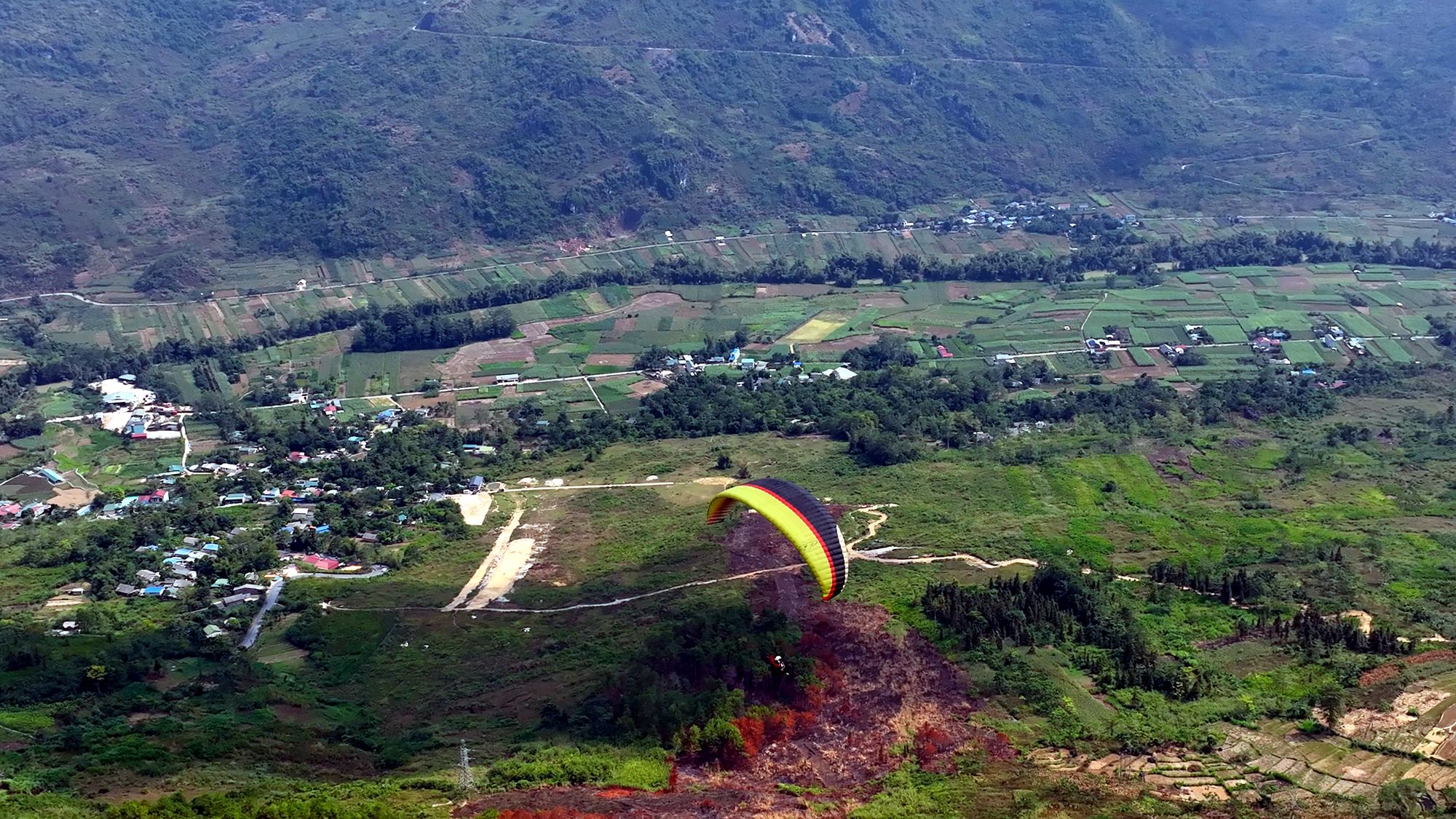
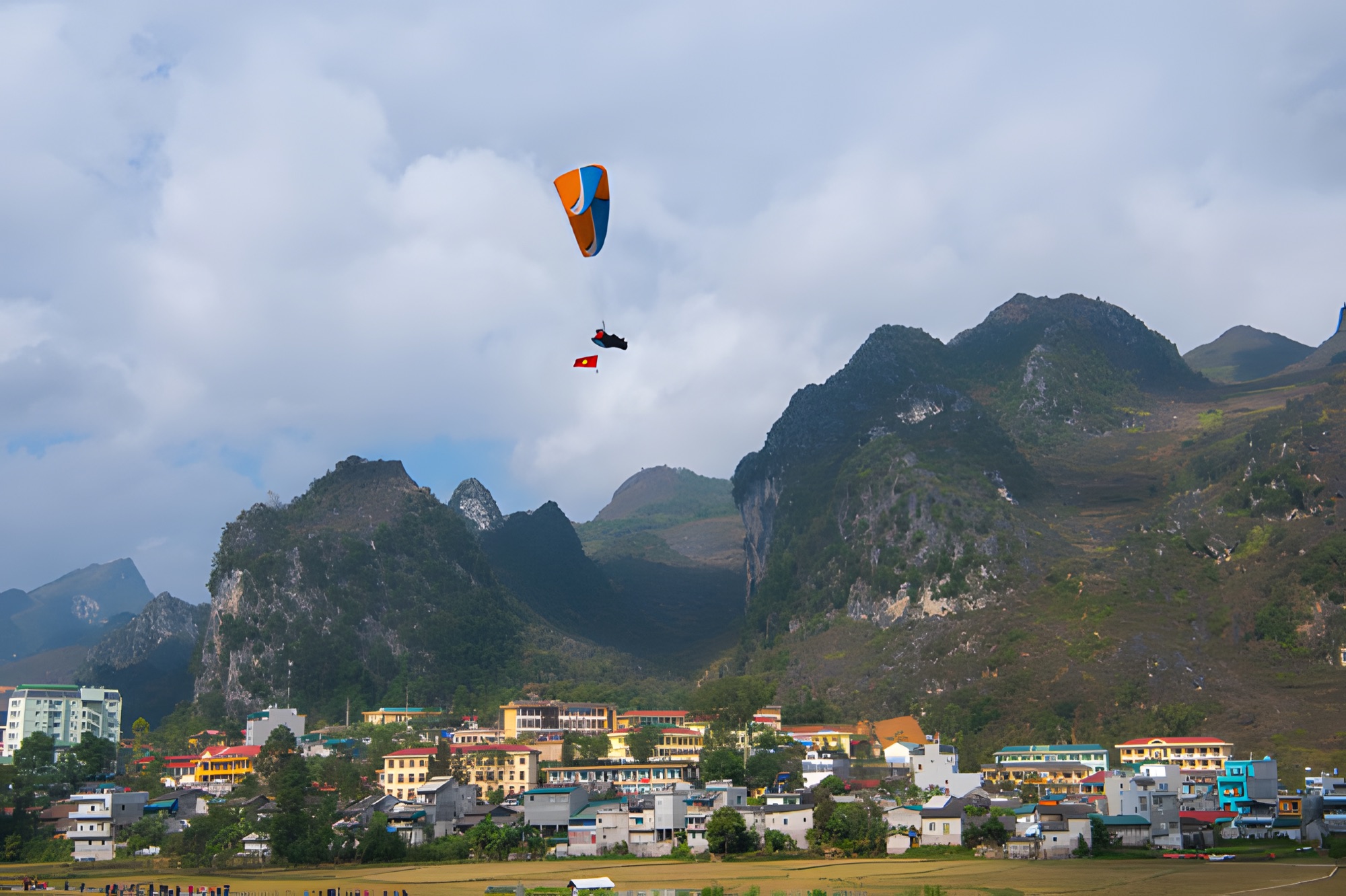
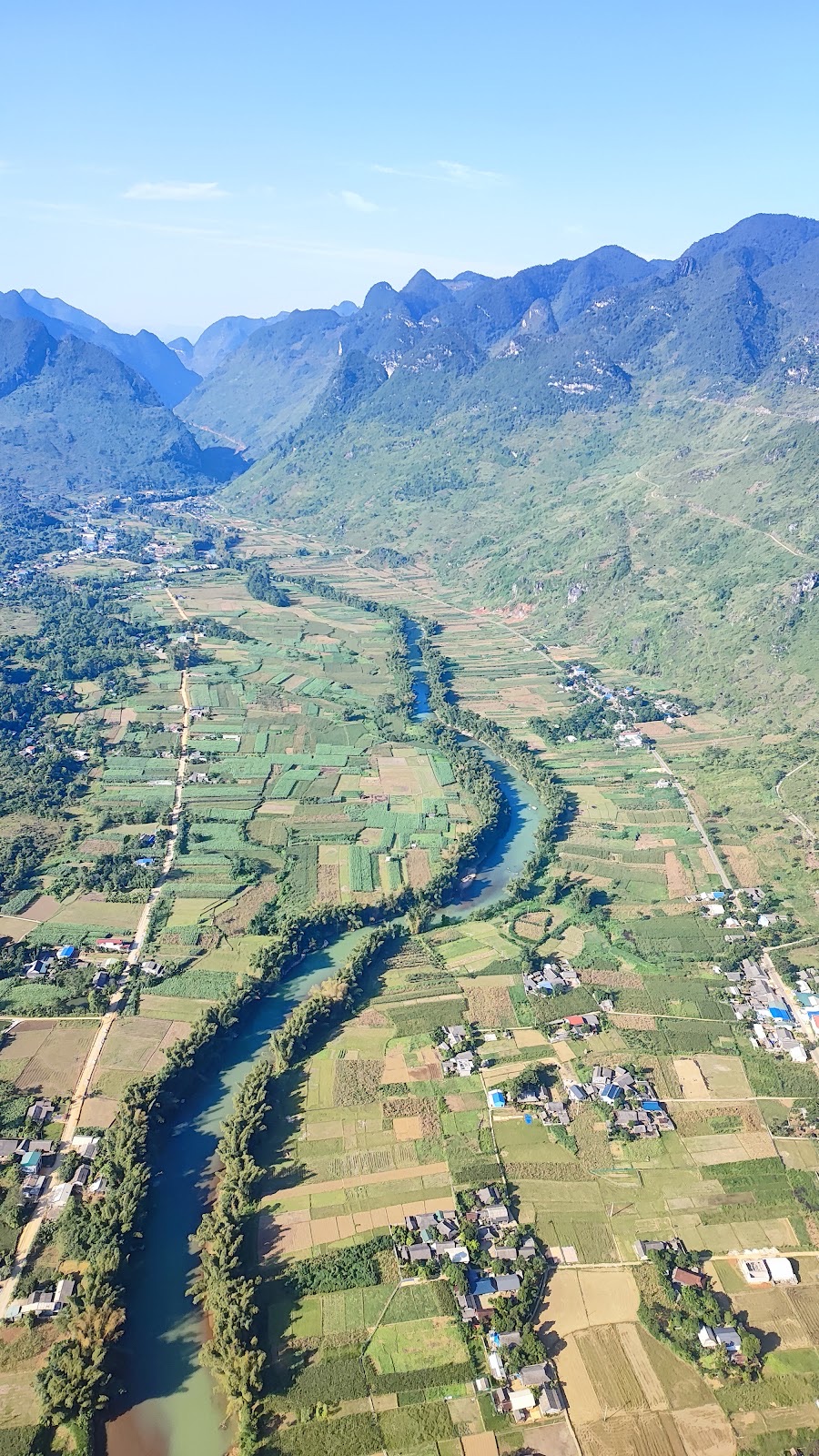
If you ride the Loop in the usual direction, on day 1 you pass Quản Bạ at about Km45, where the Mebayluon flying team runs paragliding and paramotor flights daily from 06:30 to 18:30 (Quản Bạ stop). A standard 9–15-minute paragliding flight costs 2,290,000 VND per guest (≈ US$ 91), with GoPro video and insurance included. Once in Đồng Văn, tandem paragliding over the old quarter and the Rocky Plateau is possible by appointment, scheduled around the wind — see paragliding in Đồng Văn or book here. Before your flying day, you can check the flying-weather forecast.
Frequently asked questions
Are the Hmong King Palace and the Vương Family Mansion the same place?
Yes. Dinh thự họ Vương (Vương Family Mansion) is the official name; Dinh Vua Mèo (Hmong King Palace) and Nhà Vương are the popular names for the same monument in Sà Phìn commune.
How much is the ticket to the Hmong King Palace?
About 20,000–25,000 VND per person (≈ US$ 1). Prices can change, so check at the booth.
How far is the Hmong King Palace from Đồng Văn?
About 13 km back along QL4C towards Yên Minh (some sources say 15 km).
What time of day is best to visit?
Morning, while the light is still soft. The palace usually closes around 5 pm.
Can I visit the palace and Lũng Cú on the same trip?
Yes. The usual road up to Lũng Cú passes through Sà Phìn, so stopping at the palace on the way is the most sensible plan.
Cover photo: Velvet, CC BY-SA 4.0, Wikimedia Commons
Book a flight: book online — no deposit, free cancellation
Hotline / Zalo / WhatsApp: +84 964 073 555
Read more: Đồng Văn on the Hà Giang Loop · Lũng Cú · Hà Giang ethnic markets · 4-day, 3-night Hà Giang Loop itinerary