Lô Lô Chải village (Lũng Cú): a Best Tourism Village below the flag tower
A guide to Lô Lô Chải, the Lô Lô village at the foot of the Lũng Cú flag tower: rammed-earth houses, costume and bronze drums, Café Cực Bắc, homestays, the road from Đồng Văn, 2026–2027 traffic rules and village etiquette.
Ms. Judy · · 16 min read
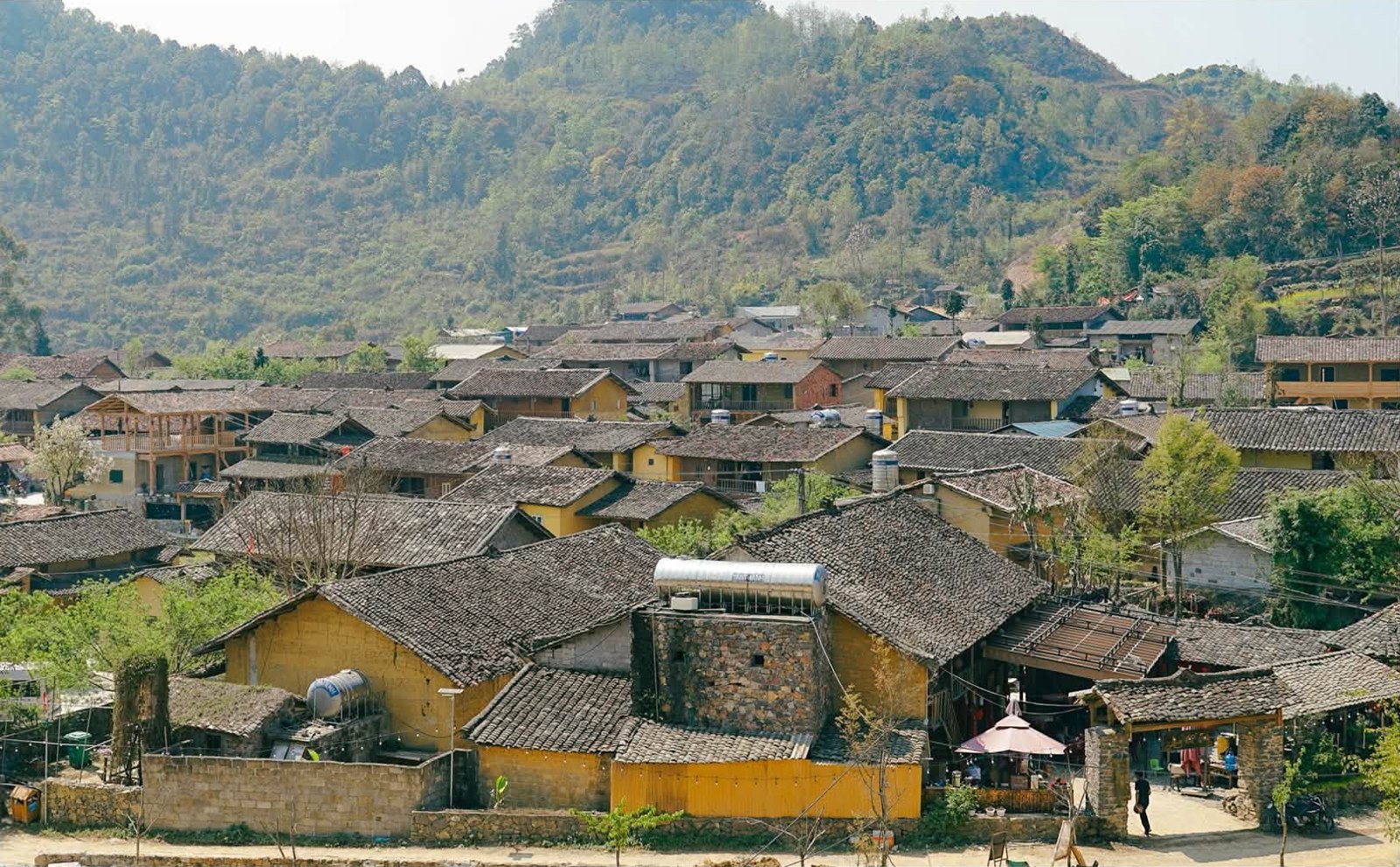
Lô Lô Chải is a Lô Lô village right at the foot of the Lũng Cú flag tower, about 24 km from central Đồng Văn: roughly 120 households, rammed-earth houses with yin-yang tile roofs, many family homestays, and since October 2025 a place on UN Tourism's list of Best Tourism Villages.
Most people riding the Hà Giang Loop only have time to climb the Lũng Cú flag tower and head back to Đồng Văn. If you can spare a few more hours, or better still a night, walk down into Lô Lô Chải: wander between golden earth walls and mossy dry-stone fences, drink coffee inside an old house and share dinner with your host family. This guide covers the people, the architecture, getting around in the 2026–2027 peak season, and how to behave in the village.
Quick facts
Info
Details (approximate, may change)
Name
Lô Lô Chải village (thôn/bản/làng), Lũng Cú commune, now in Tuyên Quang province
Location
At the foot of Dragon Mountain (núi Rồng), about 1–1.5 km from the Lũng Cú flag tower; coordinates approx. 23.3642 N, 105.3101 E
Distance
About 24 km from central Đồng Văn, about 154 km from Hà Giang ward (former Hà Giang city)
Population
About 120 households, mostly Lô Lô people
Recognition
UN Tourism Best Tourism Villages 2025 (announced 17 October 2025)
Time to allow
2–3 hours for a walk and a coffee; ideally stay one night
Best time
Early morning and late afternoon; buckwheat season Oct–Nov, peach and plum blossom at the end and start of the year
Access 17/10/2026 – 28/02/2027
Passenger vehicles may not enter the village (with exceptions, see below)
What kind of village is Lô Lô Chải?
Lô Lô Chải has about 120 households, mostly Lô Lô people; villagers say their ancestors have lived here for nearly 800 years. Families belong to seven clans: Vàng is the largest, followed by Sình, Dìu, Là, Mùng, Lù and Sính. A few Hmong households live in the village too.
A little over a decade ago this was a poor village living off corn and rice grown on rocky slopes. Around 2011 the village head, Sình Dỉ Gai, opened the first homestay, starting with a single small room. Community tourism grew from there: of the village's 37 old houses, 28 now work as homestays, and 2025 reports put the number of households involved in tourism at about 56; the others farm, raise animals, distil liquor and supply food to the homestays. Villagers have kept the old architecture instead of pouring concrete — which is what sets Lô Lô Chải apart from the villages around it.
On 17 October 2025, in Zhejiang (China), UN Tourism named Lô Lô Chải one of 52 Best Tourism Villages 2025, chosen from 270 applications from 65 member states. The village was praised for protecting its architecture and landscape, sharing the benefits of tourism with the community, managing waste and cutting single-use plastic.
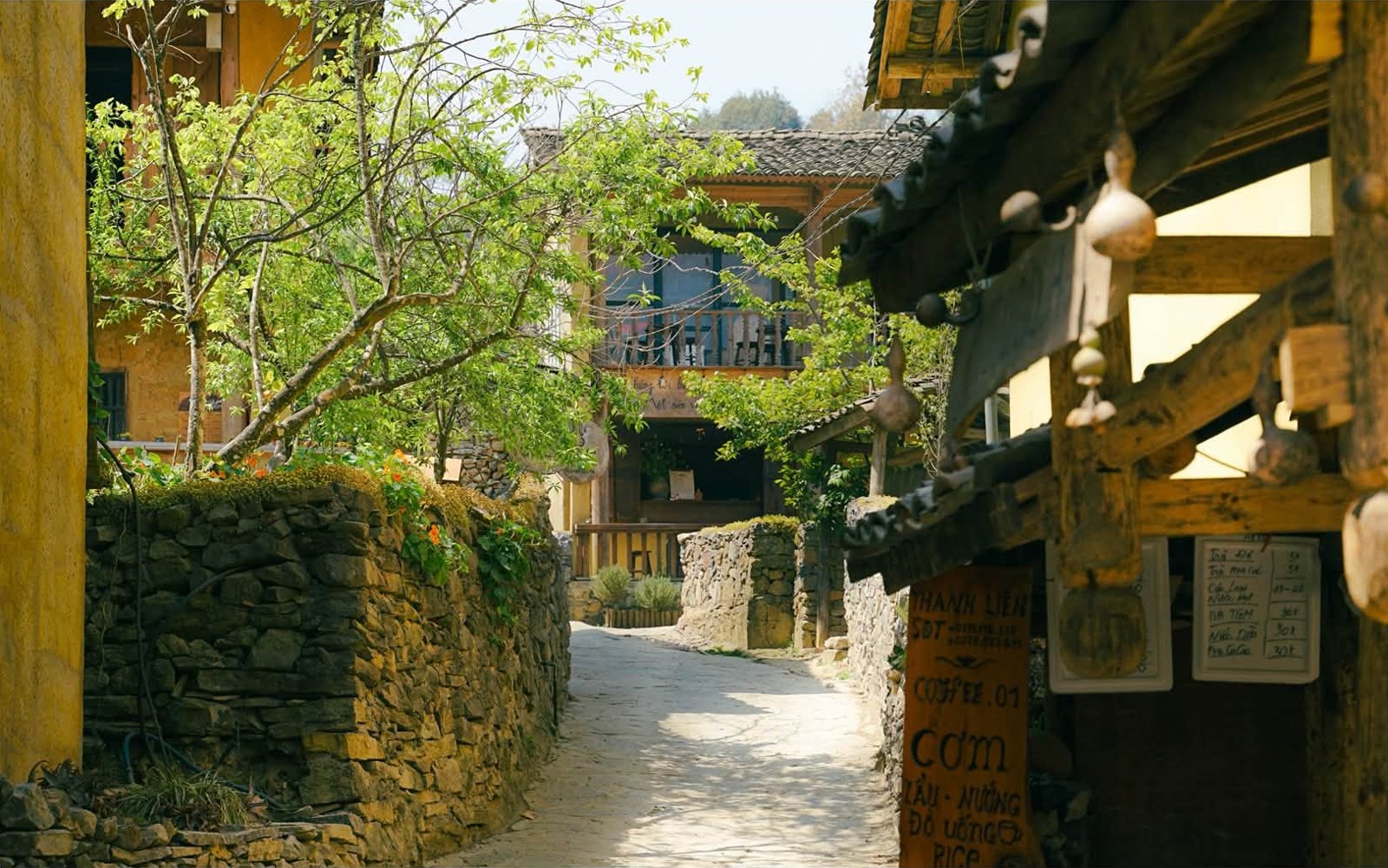
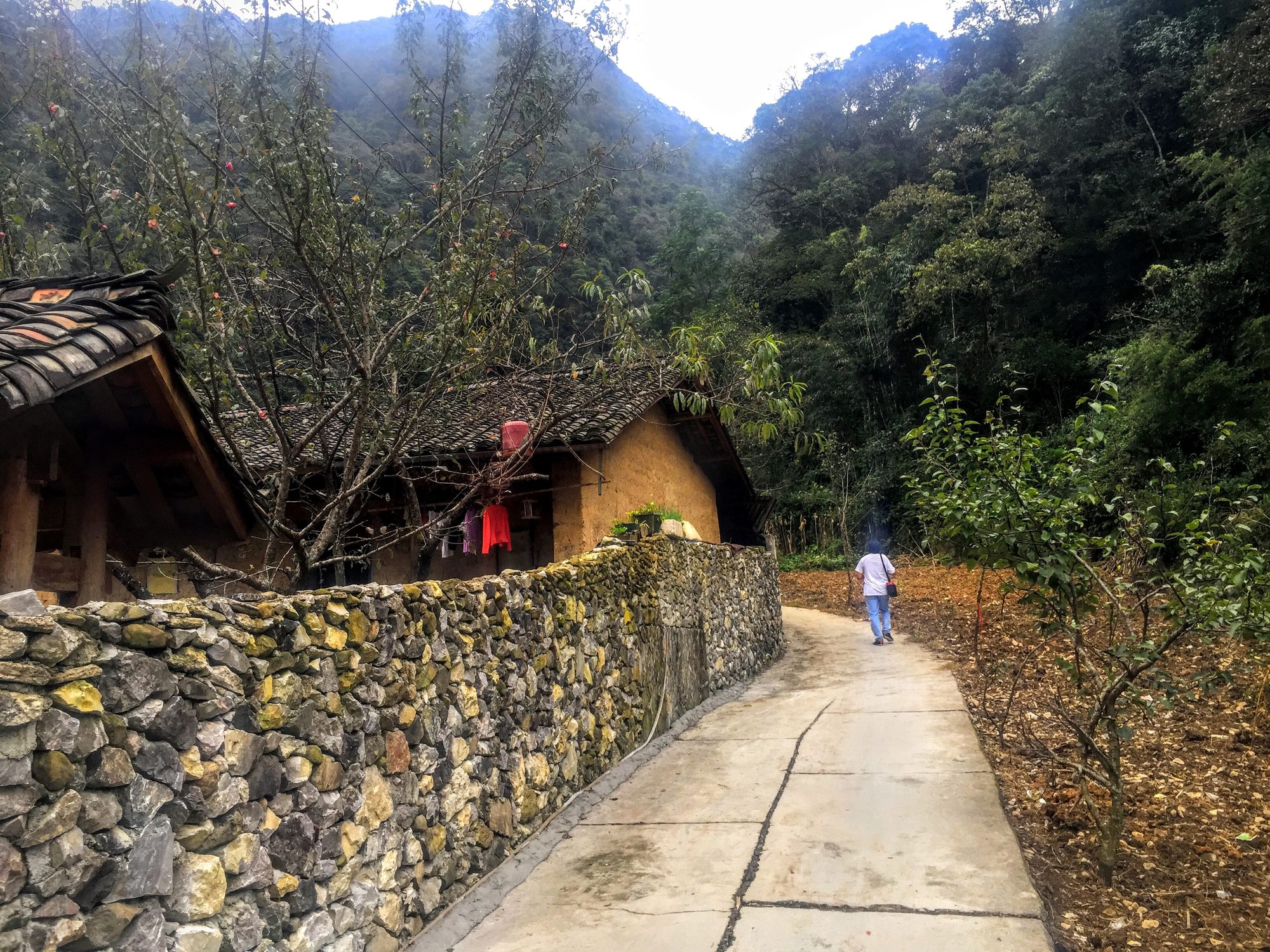
A lane between dry-stone walls and rammed-earth houses in Lô Lô Chải; many houses now run cafés, small restaurants and homestays
Since 1 July 2025 Hà Giang has been merged into Tuyên Quang province, but when you ask for directions people still say "Lũng Cú, Hà Giang".
The Lô Lô people: costume, bronze drums and the ancestor ceremony
Costume
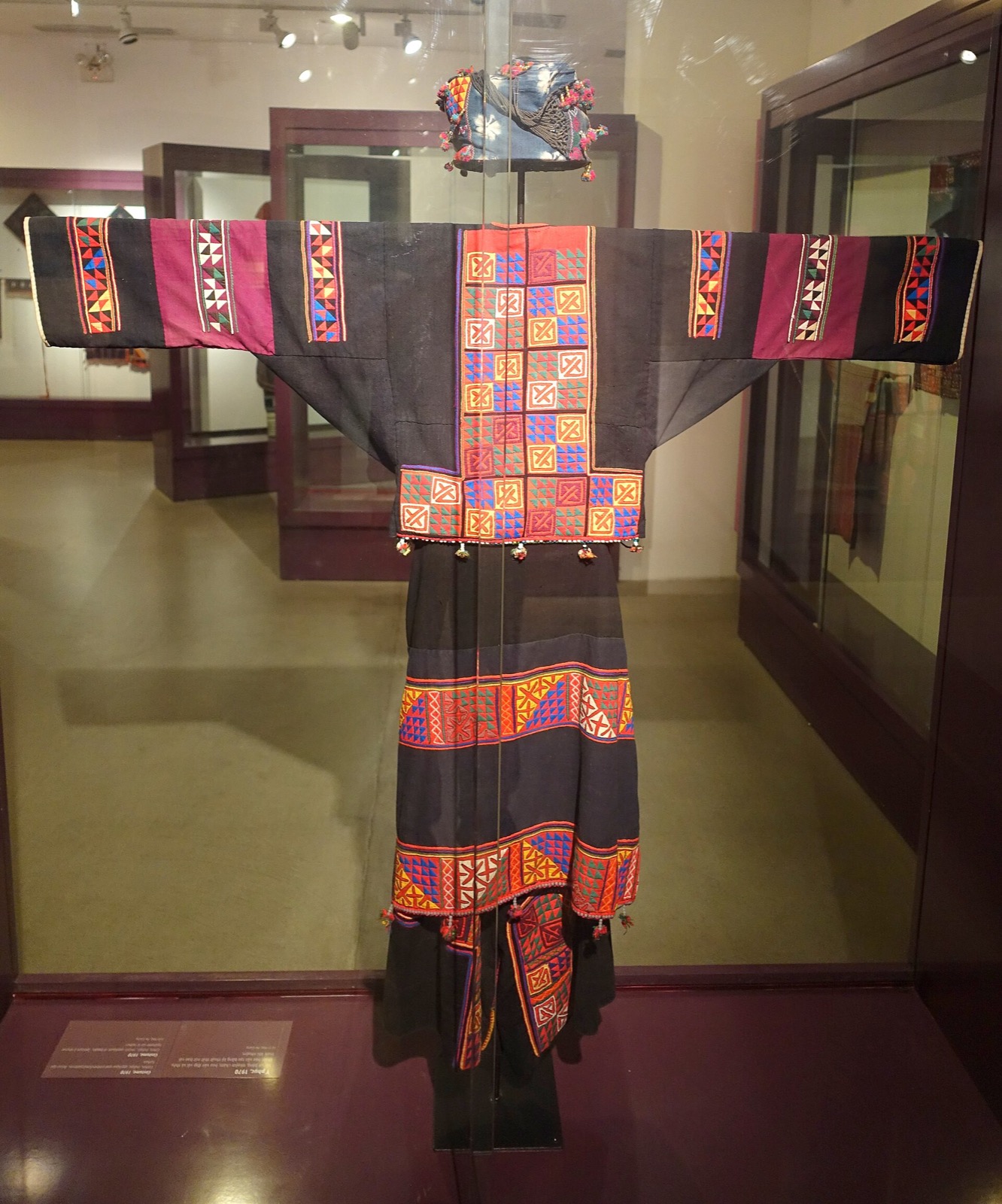
The Lô Lô of Hà Giang form two groups, the Black Lô Lô and the Flowery Lô Lô. They speak the same language and share almost the same customs; the clearest difference is their dress. Flowery Lô Lô costumes use many patches of coloured cloth sewn together, while Black Lô Lô costumes rely more on embroidery with a lighter layout. Most sources on Lũng Cú, including UN Tourism, describe the Lô Lô here as Black Lô Lô. In 2022 the art of decorating Black Lô Lô costumes was recognised as National Intangible Cultural Heritage.
Black Lô Lô women's jackets are made of black or indigo cloth, with a square neckline and sleeves pieced together from many coloured strips; the skirts are layered, with fringes and wool tassels. Lô Lô Chải has an embroidery and weaving cooperative of about 27 members; according to Báo Văn hoá, one handmade women's costume can take around two years to finish.
A Flowery Lô Lô woman's costume from Hà Giang (1970) at the Vietnamese Women's Museum; Black Lô Lô costumes in Lũng Cú use more embroidery — Photo: Daderot, CC0, Wikimedia Commons
Bronze drums and the ancestor ceremony
Bronze drums are sacred objects for the Lô Lô, usually kept in male–female pairs and played at important rituals. The ancestor worship ceremony of the Lô Lô in Lũng Cú was added to the national list of Intangible Cultural Heritage by the Ministry of Culture, Sports and Tourism in 2012. It is held every year on the 14th day of the 7th lunar month at the houses of the clan heads, in three parts: offering, remembrance and farewell. The highlight is the "grass ghost" dance (ma cỏ), performed in costumes made from a mountain grass to the beat of the bronze drums.
This is a clan ritual, not a show for visitors. If you are invited, stand at the back, ask before taking photos and follow your host's lead.
Rammed-earth houses with yin-yang tiles
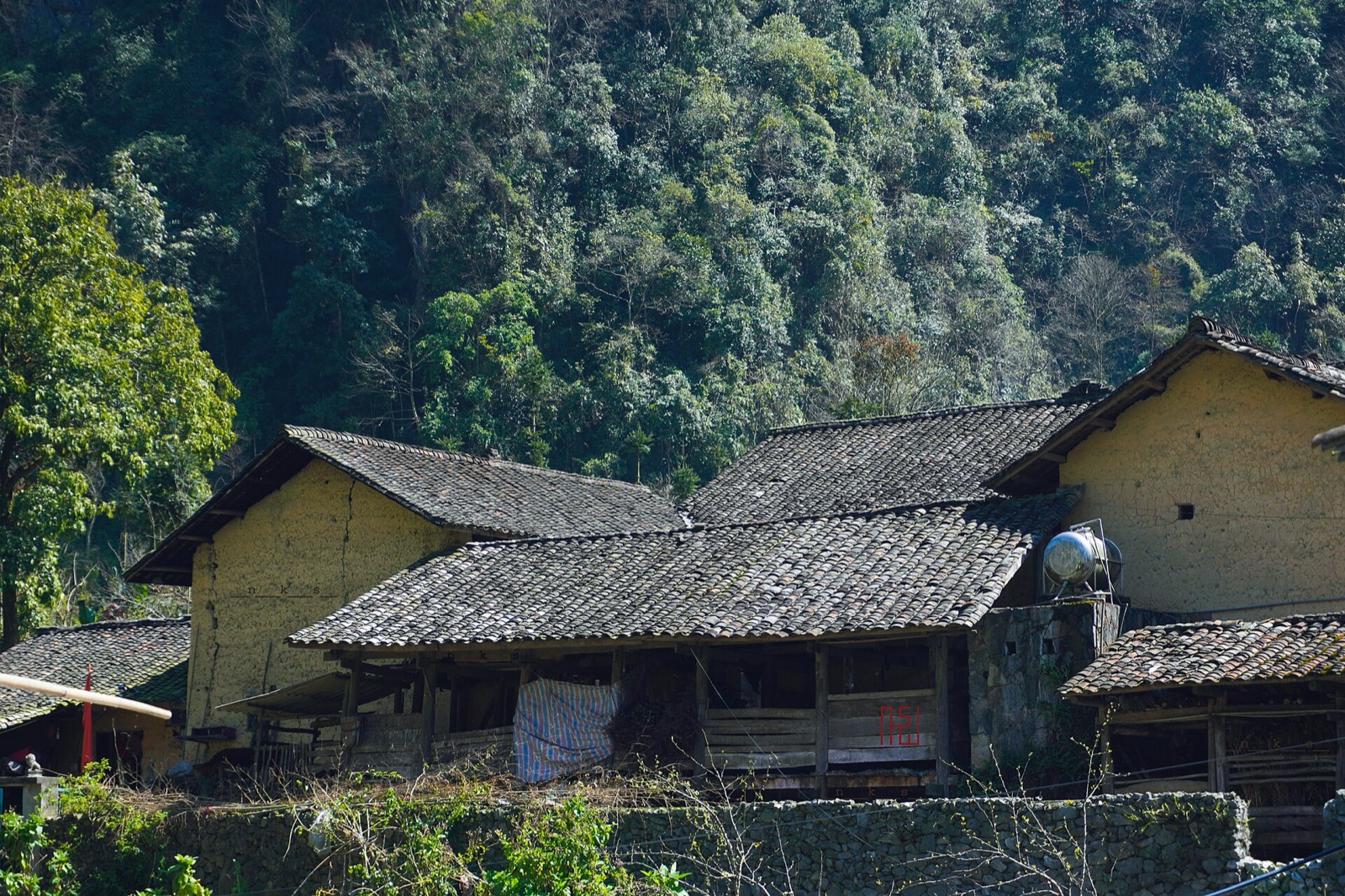
The houses of Lô Lô Chải are rammed-earth houses (nhà trình tường): thick walls of pounded earth, wooden frames and doors, yin-yang tile roofs, stone-paved yards and floors, all surrounded by dry-stone fences. They range from a few decades to more than 200 years old. The old houses stand close together on the slope, most with a small vegetable garden. The thick earth walls keep the rooms warm in winter and cool in summer.
Villagers still build new houses the old way: according to VnExpress, a two-storey rammed-earth house takes about two months to build. Many homestays are restored old houses that keep their original layout, simple wooden furniture and displays of old Lô Lô household objects.
The kind of rammed-earth house and dry-stone fence you see across the Rocky Plateau (photo taken in Sủng Là) — Photo: trungydang, CC BY 3.0, Wikimedia Commons
Don't climb on the stone walls for photos: dry-stone walls have no mortar and collapse easily.
Getting there from Đồng Văn and parking
From central Đồng Văn, follow QL4C for about 2 km towards Sà Phìn and Yên Minh to the Lũng Cú turn-off, then head north between limestone massifs, about 24 km in total. The paved road is narrow, with steep sections and blind bends; near the flag tower a branch of about 1–1.5 km leads down to the village. See also our Lũng Cú stop on the Hà Giang Loop.
Traffic rules for the 2026–2027 peak season
According to Báo Văn hoá (24 October 2026), to ease congestion during the buckwheat season:
Lô Lô Chải village: from 17 October 2026 to 28 February 2027, passenger vehicles are not allowed into the village. Exceptions: vehicles on official duty, four-wheeled motorised tourist vehicles, the Lũng Cú commune's self-managed motorbike-taxi team, and residents' vehicles.
Road to the flag tower: from 15 October 2026 to 28 February 2027, every Saturday and Sunday, passenger vehicles stop on the section from the Border Guard post up to the flag tower.
Drop-off and pick-up points: the guesthouse, the yards of the Lũng Cú primary and lower-secondary boarding schools, the commune People's Committee yard and the old market area.
Plan to leave your vehicle at one of these points and walk, take the electric tourist car or a commune motorbike taxi into the village. If you have booked a homestay, ask your host in advance where to park. Rules can change, so check locally.
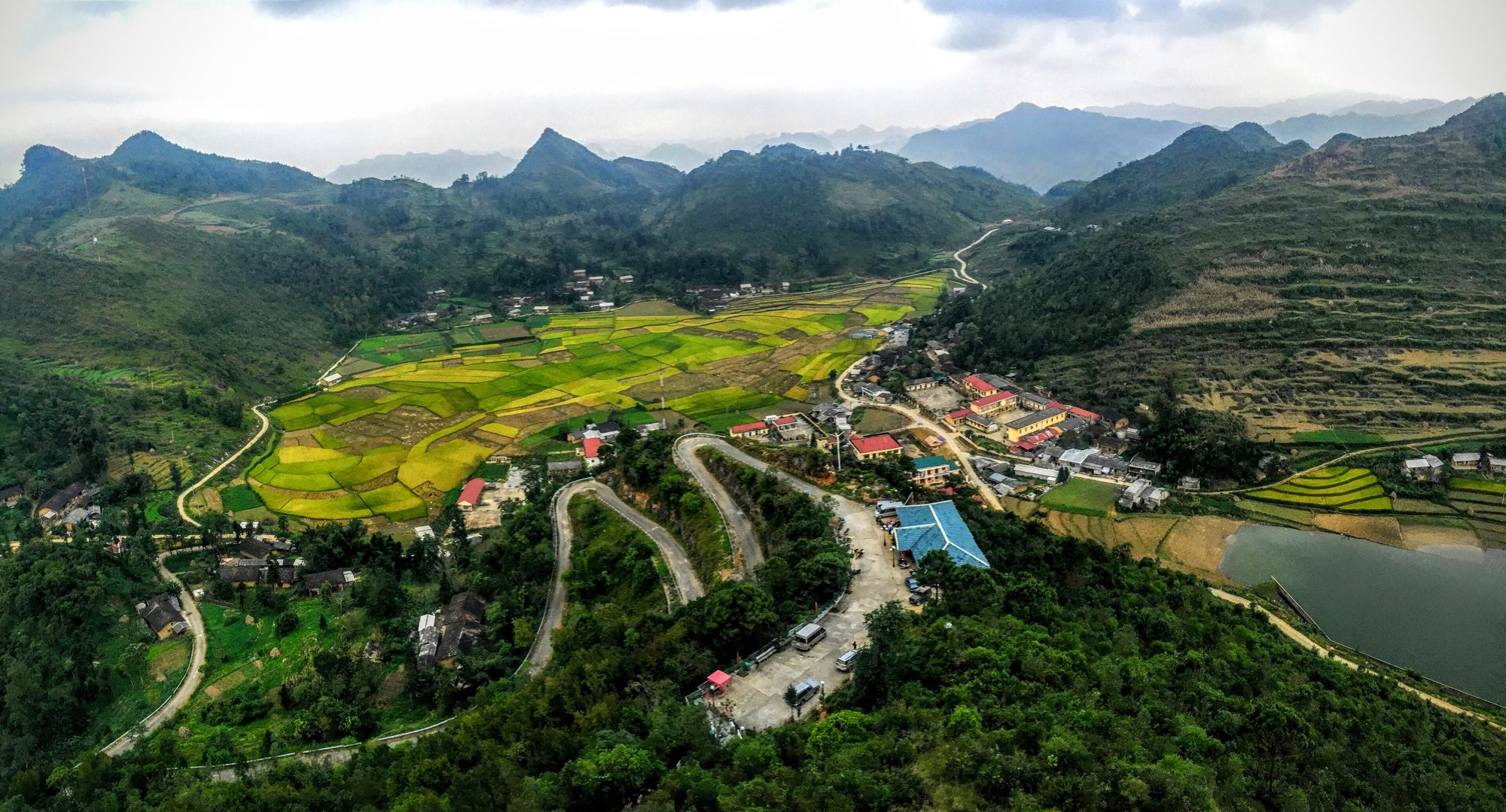
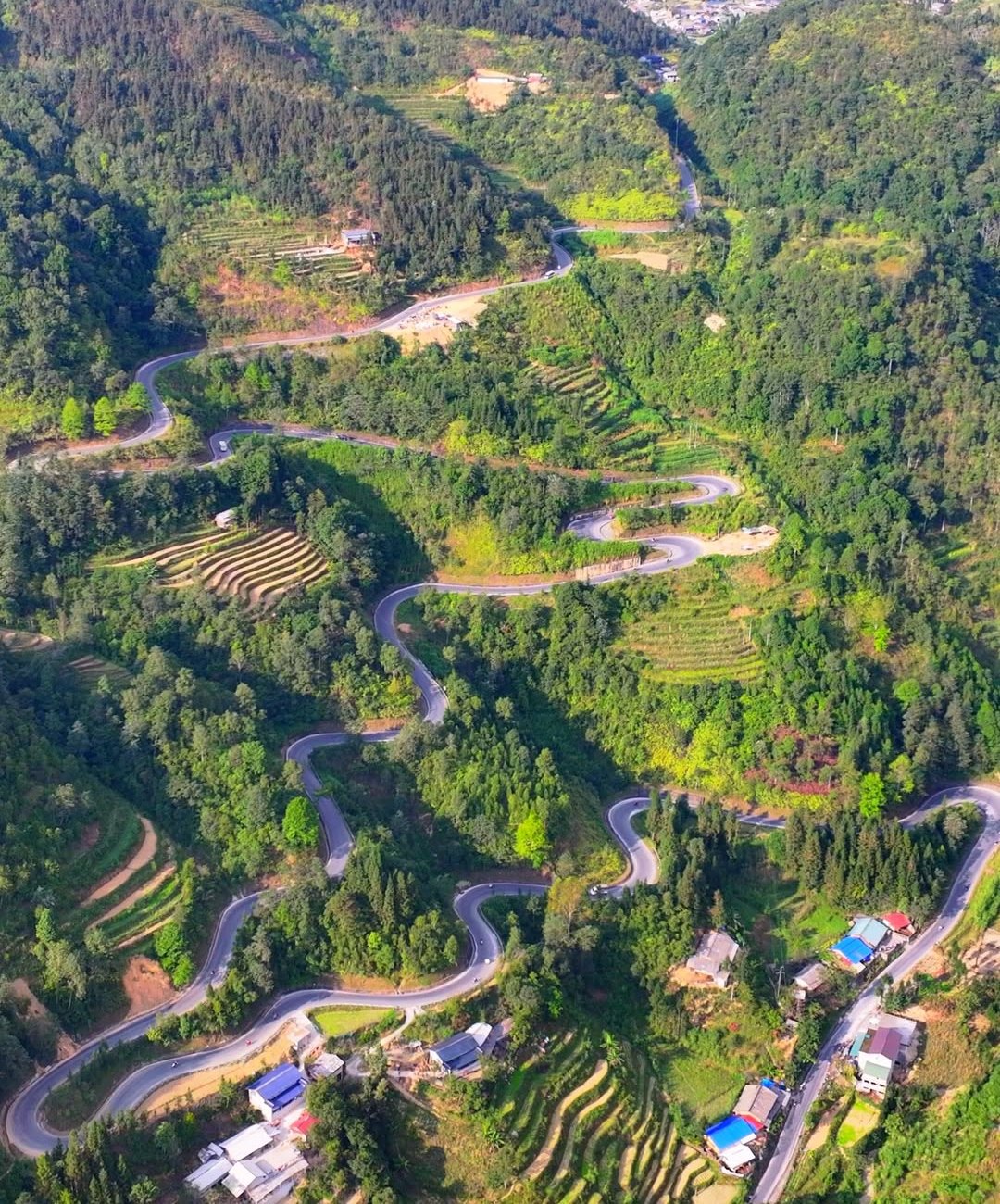
The Lũng Cú valley from above: the hairpin road up to the flag tower, fields and a lake — Photo: trungydang, CC BY 3.0, Wikimedia Commons
Ride yourself or go with an easy rider?
In flower season the road is busy with cars and coaches. If you are not used to riding a motorbike on mountain roads, an easy rider is the safer choice; see easy rider or ride yourself. Slow down through villages, where children and buffalo often walk on the road. In November–December the sun sets around 17:15–17:30; if you are not staying the night, be back in Đồng Văn before dark.
Things to do in Lô Lô Chải
Walk around the village
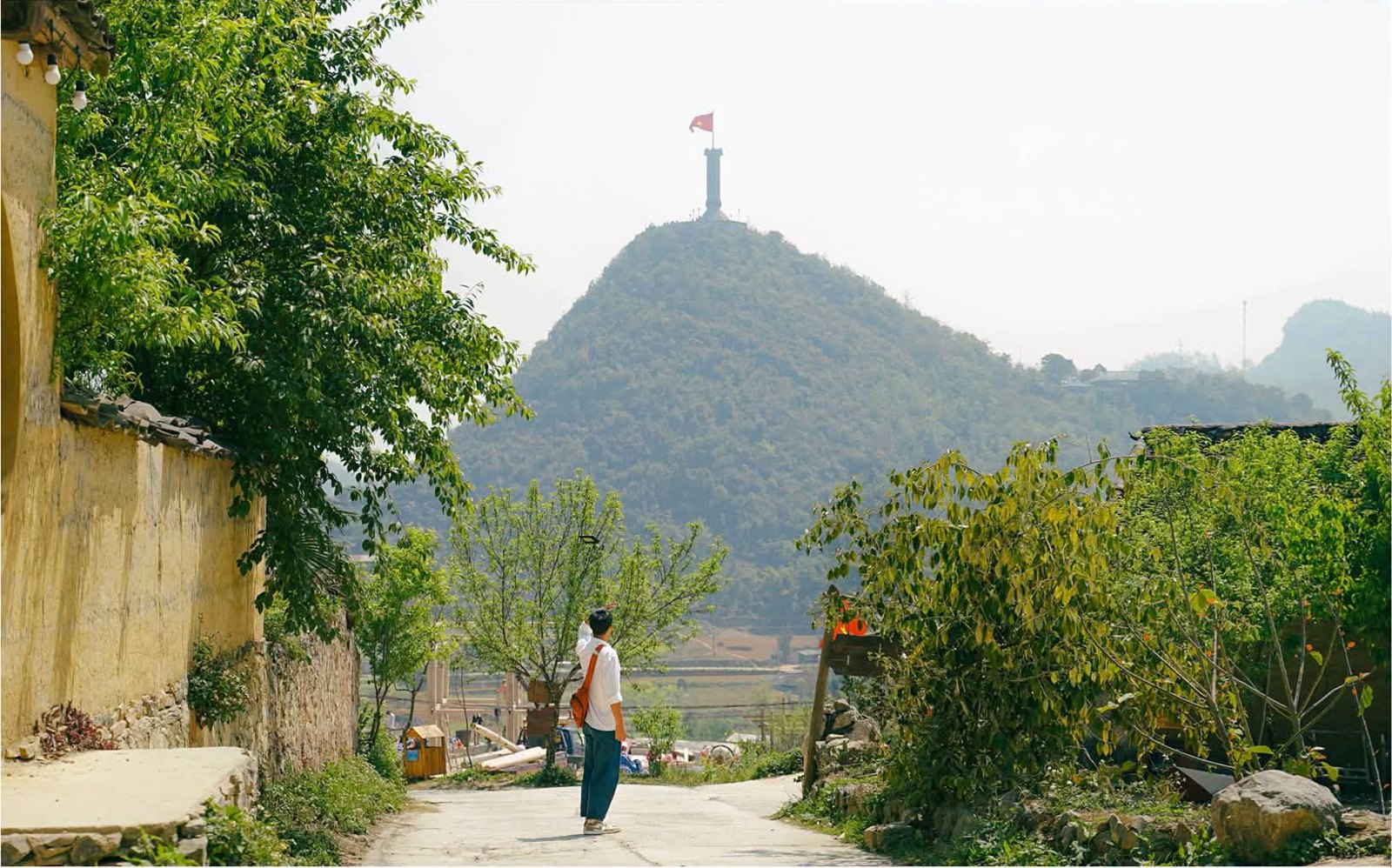
A loop around the village takes about an hour with photo stops. Narrow lanes run between earth walls and stone fences; villagers plant mustard greens and peach trees along them, which look their best at the end and start of the year. From many gardens you can see the top of Dragon Mountain and the flag tower.
Café Cực Bắc and the old houses
The best-known café is Café Cực Bắc ("Northernmost Café"), set in the roughly 200-year-old house of Mrs Mùng Thị Guấy. It was started with the help of a Japanese visitor, Yasushi Ogura, who provided equipment and taught the family to make coffee. Sitting here after the flag tower climb, you get to see the inside of an old rammed-earth house. Café opening hours vary; ask locally.
Climb the Lũng Cú flag tower
Dragon Mountain is only about 1–1.5 km from the village. From the car park a stone stairway with handrails and resting spots leads up to the summit; at the foot of the tower a spiral staircase inside the shaft takes you to the viewing platform, where the 54 m² flag — one square metre for each of Vietnam's 54 ethnic groups — flies overhead. There is a small entrance fee for the flag tower area, which may change, so carry cash. On peak-season weekends, remember the vehicle rule above.
Looking up from a lane in Lô Lô Chải to the Lũng Cú flag tower on Dragon Mountain
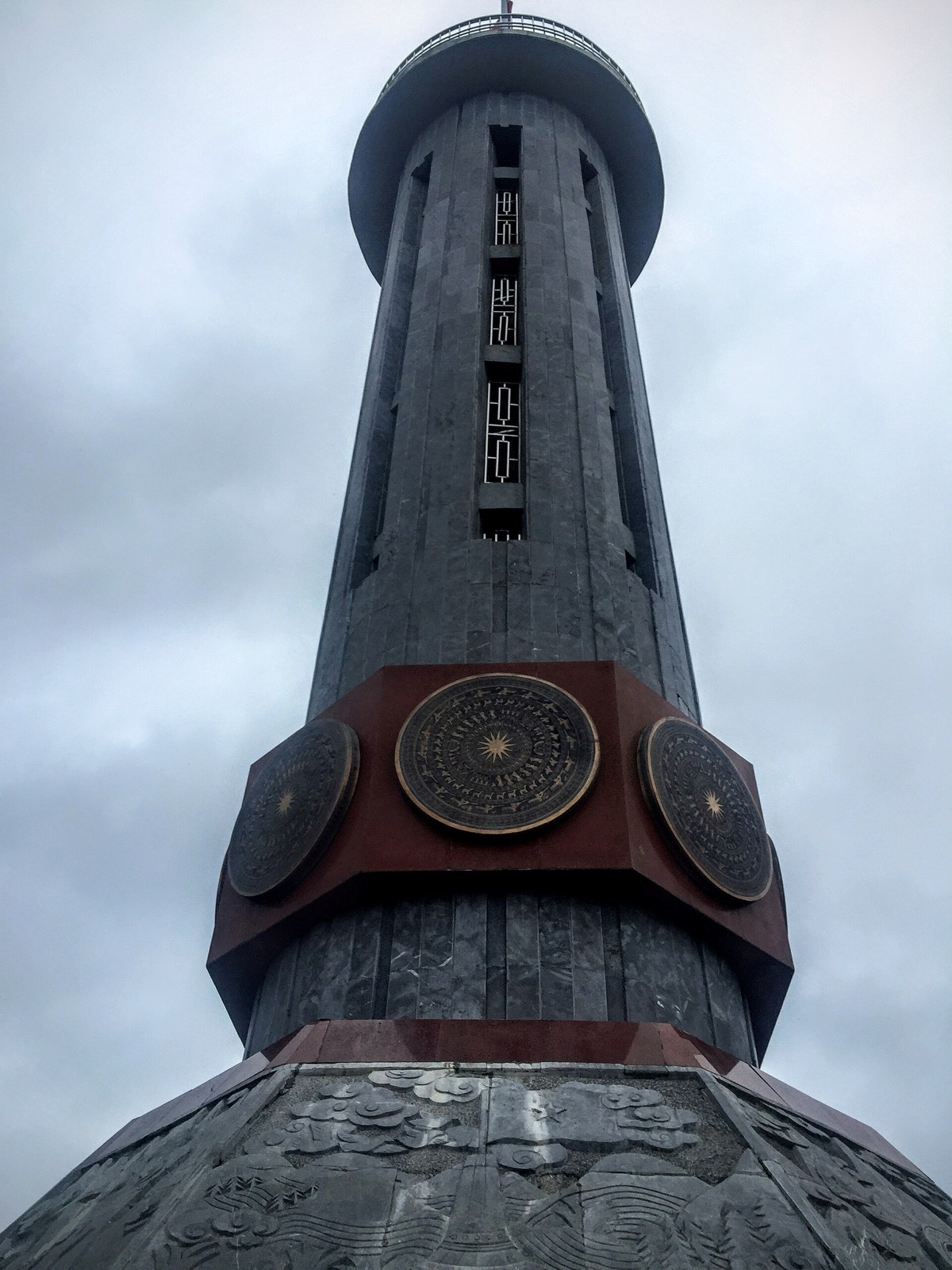
At the foot of the tower, look for the ring of bronze-drum motifs around the shaft. The wind at the top is much stronger and colder than at the car park, even on sunny days.
Look down on the village and the fields
From the terrace at the foot of the tower and from the viewing platform you look down over the Lũng Cú valley: hamlets, terraced fields and two small lakes. According to the geoheritage sign placed next to the tower by the management board of the Đồng Văn Karst Plateau UNESCO Global Geopark, the two lakes lie on the Thèn Pả fields on either side of the mountain and are almost symmetrical, hence the name "Dragon Eyes" (Mắt Rồng) — they are in fact two ancient karst sinkholes filled in with clay. The limestone of Dragon Mountain contains trilobite fossils more than 500 million years old.
The shaft of Lũng Cú flag tower with its ring of bronze-drum motifs — Photo: trungydang, CC BY 3.0, Wikimedia Commons
Sunrise, sunset and evenings by the fire
Stay the night and you see Lô Lô Chải after the day visitors have gone. Late in the year, morning and evening fog often blankets the village; the moment it lifts is when the tiled roofs and Dragon Mountain look their best. Walk to the edge of the village early, or go up to the flag tower while it is still quiet (ask your host about opening times). In the evening many homestays light a fire, roast corn and sweet potatoes and sing with their guests; during the 2026 buckwheat festival season there are campfire evenings in the village too.
Staying in a Lô Lô Chải homestay
Most homestays are old rammed-earth houses with private rooms and shared dorms, a large common area and clean bathrooms. Dinner is usually a home-cooked meal with mèn mén (steamed ground corn), black pork, garden vegetables and corn liquor. Room prices vary by season and room type, so ask directly when you book.
The village usually fills up in buckwheat season and around Tết: before the festival opened in October 2026, more than 1,000 rooms in Lũng Cú commune were already booked. Book early and ask about thick blankets and hot water — November–December nights are often only 5–15 °C. If everything is full, stay in Đồng Văn old quarter; see Đồng Văn old quarter, night and Sunday market and Hà Giang specialities to try.
When to go
October–November: buckwheat season, with drier and clearer skies. The 12th Buckwheat Flower Festival, "Âm vang miền đá" (Echoes of the Rocky Plateau), opened on the evening of 25 October 2026 in Đồng Văn commune, with activities running until the end of December. See buckwheat flower season.
December–January: very cold, thick fog, and frost in some years.
End and start of the year: peach and plum blossom along the village lanes.
Summer: green and cool, but with showers and clouds over the mountain top.
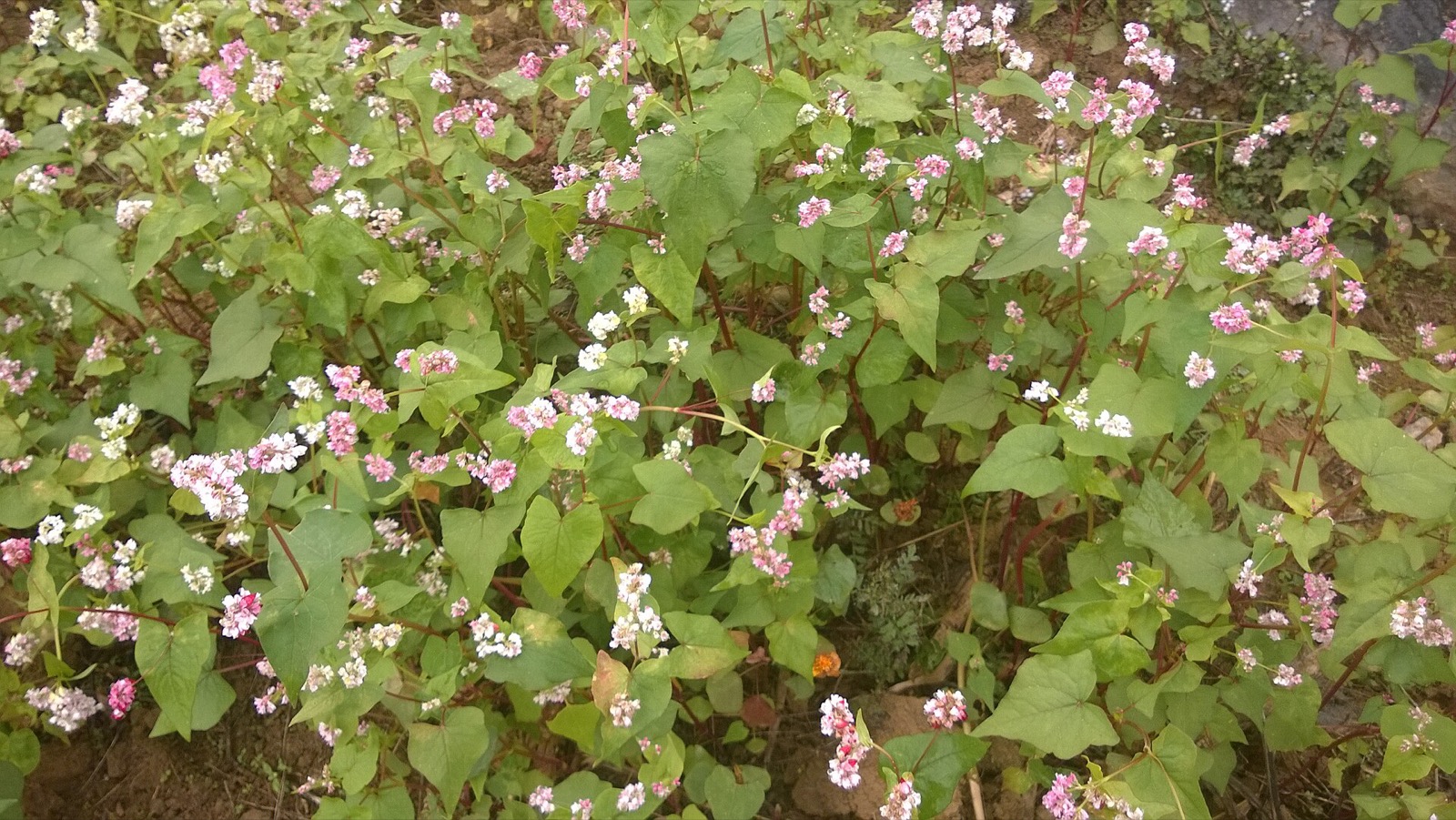
Buckwheat flowers in a garden plot in Lô Lô Chải — Photo: Vuong Tri Binh, CC BY-SA 4.0, Wikimedia Commons
Flower fields are farmland: ask before you walk in to take photos, and don't step on the rows.
Etiquette in the village
Ask before photographing people, especially the elderly and children; no close-ups of children's faces.
Don't walk into houses or yards unless invited; many old houses are still family homes.
Don't hand out sweets or money to children. To support the village, stay in a homestay, eat home-cooked meals, have a coffee or buy embroidery directly from the maker.
Take your rubbish with you or use the bins; the village has cut single-use plastic and keeps its lanes clean.
Keep quiet in the evening; the village goes to bed early and noise carries far in the valley.
Carry your passport or ID, as this is a border area; don't wander off on paths towards the border, and don't fly a drone without asking the local authorities.
Combine Lô Lô Chải with
Hmong King Palace (Sà Phìn): stop on the way up to Lũng Cú; see Vương Family Mansion.
Pao's House (Sủng Là): a rammed-earth village that served as a film set; see Pao's House in Lũng Cẩm.
Đồng Văn old quarter: overnight stay and the Sunday morning market; see our Đồng Văn stop.
Mã Pí Lèng: continue the next day and walk the cliff-edge trail; see Mã Pí Lèng Sky Path.
Suggested plan: leave Yên Minh in the morning, visit the Hmong King Palace, reach Lô Lô Chải in the afternoon and stay the night; climb the flag tower early, then return to Đồng Văn and carry on to Mã Pí Lèng. See also the 4-day, 3-night Hà Giang Loop itinerary.
Another view of the plateau
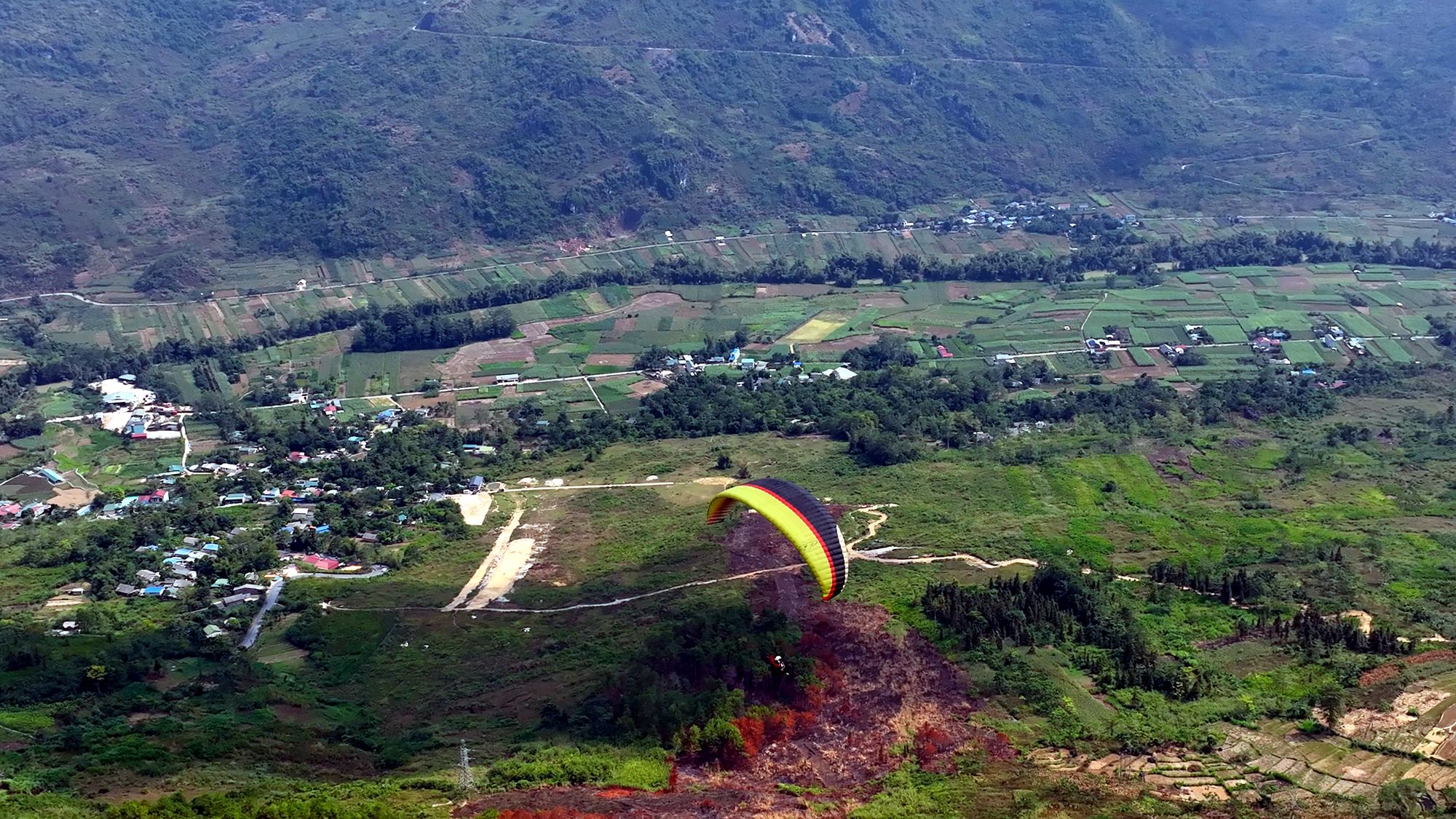
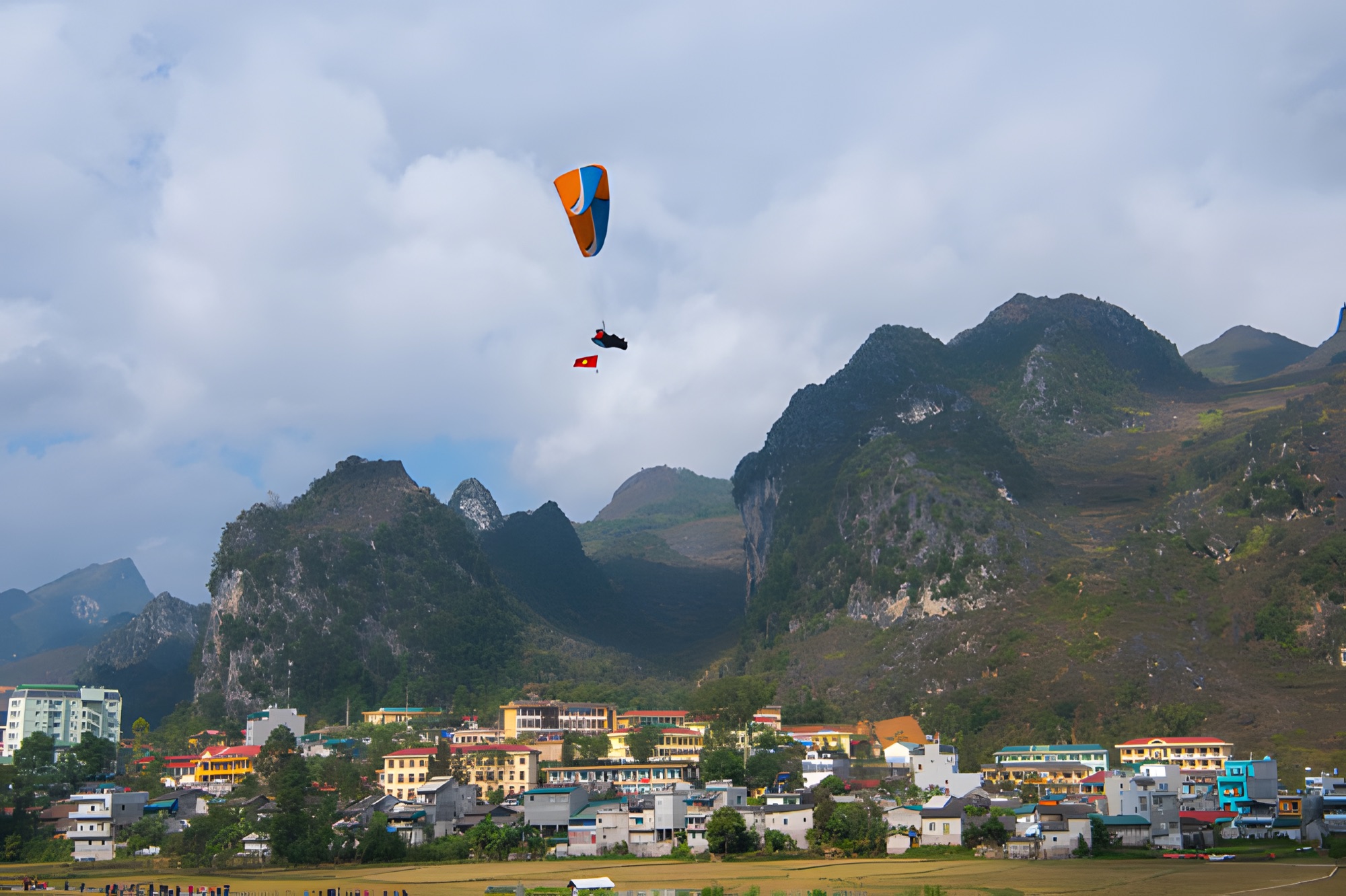
If you'd like to see the plateau from the air, you can stop at Quản Bạ (around Km45) on the Loop, where the Mebayluon flying team flies paragliders and paramotors daily from 06:30 to 18:30 over the Fairy Twin Mountains and the Miện river valley — no experience needed. See the Quản Bạ flying site, paragliding in Hà Giang and the flying-weather forecast.
Frequently asked questions
How far is Lô Lô Chải from the Lũng Cú flag tower?
About 1–1.5 km. The village lies right at the foot of Dragon Mountain, where the flag tower stands.
Is there an entrance fee for Lô Lô Chải?
The sources we checked don't mention a village entrance fee; the flag tower area has a small ticket. Ask locally, as rules can change.
Can I drive into the village in winter 2026–2027?
From 17 October 2026 to 28 February 2027, passenger vehicles may not enter the village, except electric tourist cars, the commune's motorbike taxis, official vehicles and residents' vehicles. Park at a drop-off point and ask your homestay how to get in.
Should I stay in Lô Lô Chải or go back to Đồng Văn?
If you like peace and quiet, evenings by the fire and want to climb the flag tower before the crowds, stay in the village. If you want more restaurants and accommodation choices, go back to Đồng Văn old quarter, about 24 km away.
Book a flight:book online — no deposit, free cancellation
Bắc Sum Pass or Quản Bạ? A side-by-side look at the two flying sites on the QL4C near Hà Giang city: distance, landing field, valley width, paragliding and paramotor, a flying morning at Quản Bạ, getting there and fitting the flight into the Hà Giang Loop…
Quản Bạ or Đồng Văn? An honest comparison of our two flying sites on the Hà Giang Loop: location, getting there, scenery, paragliding vs paramotor, what a flying session looks like, wind and schedule, price, and how to fly both…
The Chín Khoanh slope is a stack of hairpin bends on QL4C between Phố Cáo and Sủng Là, about 18 km past Yên Minh and 27 km before Đồng Văn: why it's called "nine coils", the best viewpoint, how to stop safely, how it differs from Thẩm Mã and what to see nearby…
A practical guide to the Mã Pí Lèng Sky Path, the cliff-edge walking trail above the Nho Quế River: the trailhead at the Youth Volunteers monument, the route section by section, the death rock closure (October 2026), what to wear, when to go and how to pair it with a Tu Sản canyon boat trip…
The Yên Minh pine forest lines Highway 4C about 7–8 km before Yên Minh town on the Quản Bạ side: exact location, commune after the 2025 merger, best light, how to stop safely, what's nearby and how to fit it into a 3- or 4-day Loop…
A guide to Pao's House in Lũng Cẩm cultural village, in the Sủng Là valley about 24 km from Đồng Văn: the Mua family's 1947 rammed-earth Hmong home, the film The Story of Pao, tickets, access from Road 4C, flower seasons and how to pair it with the Chín Khoanh bends and the Hmong King Palace…