

Lùng Tám linen weaving village near Quản Bạ
Visit the Lùng Tám linen weaving cooperative in the Quản Bạ valley: watch Hmong women spin linen, weave cloth, draw patterns in beeswax and dye with indigo, then try it yourself — an easy pairing with a paragliding flight.
Đội trưởng Mỹ · · 5 min read
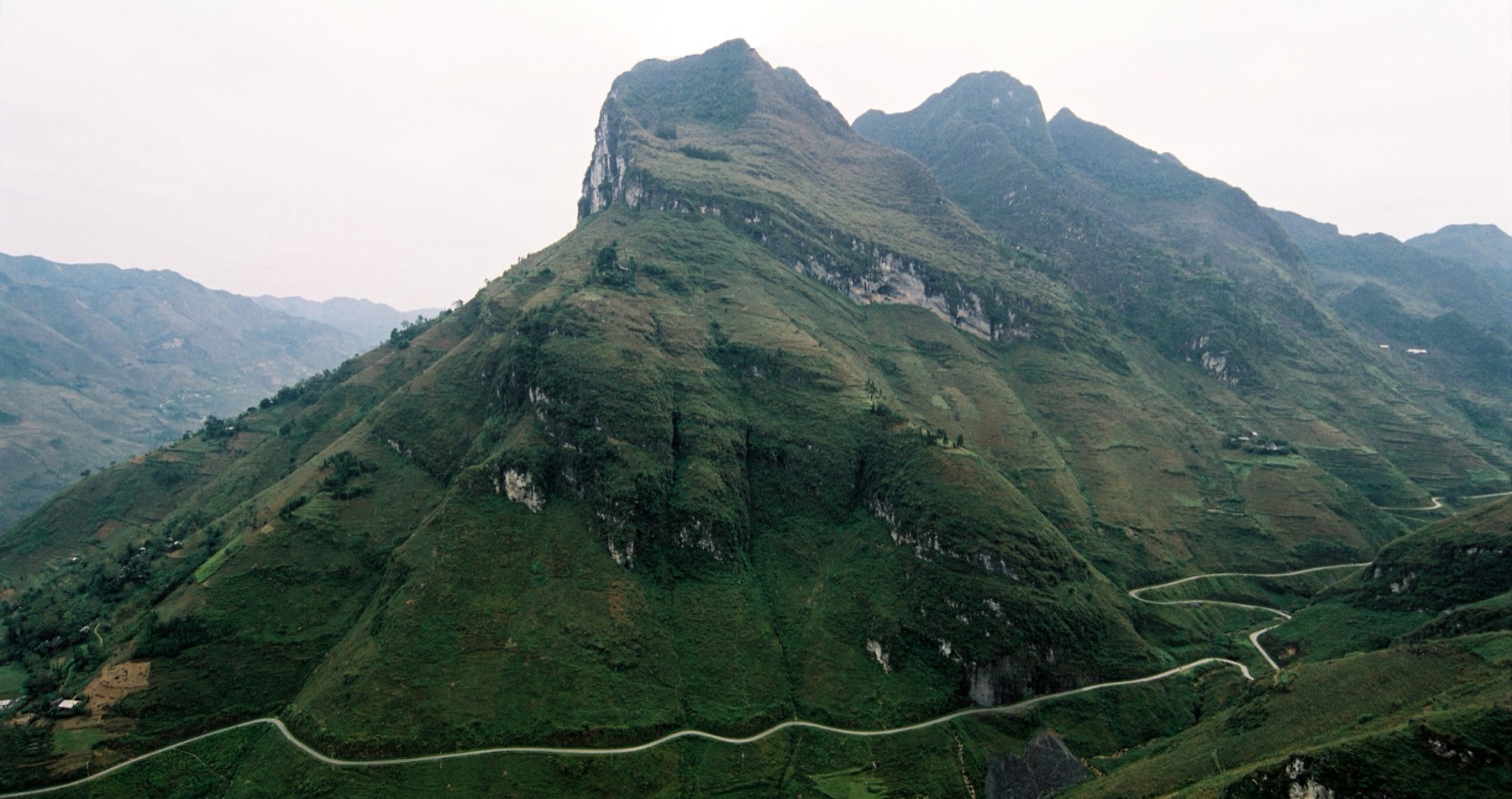
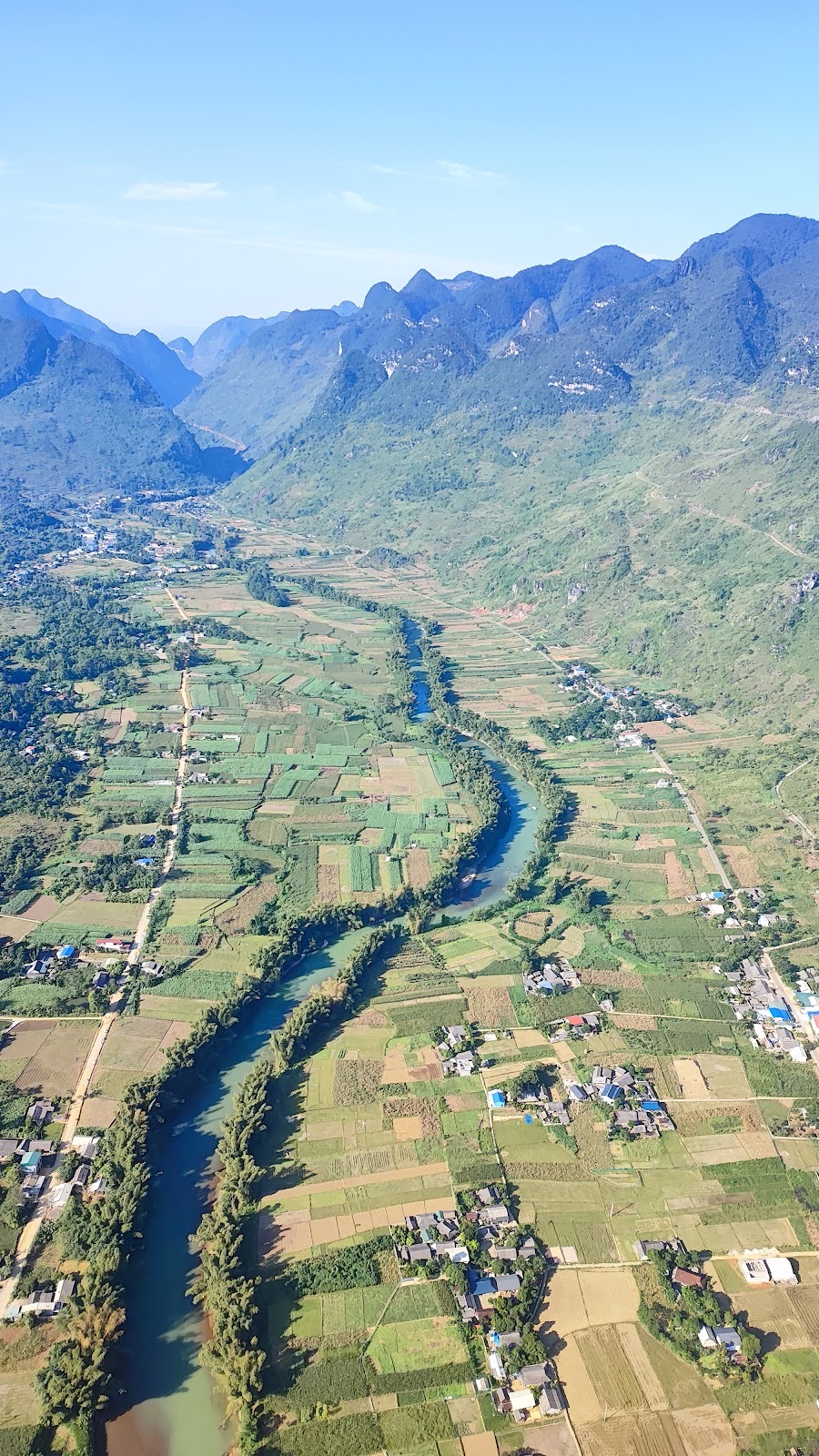
If you fly tandem paragliding at Quản Bạ, the green valley beneath your wing is Lùng Tám — home to the most famous linen weaving village on the Hà Giang stone plateau. Here, Hmong women still make cloth the way their grandmothers and mothers did: growing the flax plant, stripping the fibres, spinning the thread, weaving on wooden looms, then drawing patterns in beeswax and dyeing the cloth with indigo. It's a stop that many foreign visitors ask our flight team about, because there are few places where you can sit next to the artisans and try every step with your own hands.
What is the Lùng Tám Linen Weaving Cooperative?
The Lùng Tám linen weaving cooperative was founded in 2001 and is run by local Hmong women themselves. The workshop sits in Hợp Tiến village, in the middle of a valley crossed by the Miện River, about 50 km from Hà Giang city. Hundreds of Hmong women have steady work and income thanks to weaving, rather than relying on farming the hillside fields alone.
For the Hmong, linen is much more than fabric. By tradition, every Hmong woman must make at least one linen outfit with her own hands — and linen clothing accompanies Hmong people through the most important ceremonies of their lives.
From Plant to Cloth: A Very Long Process
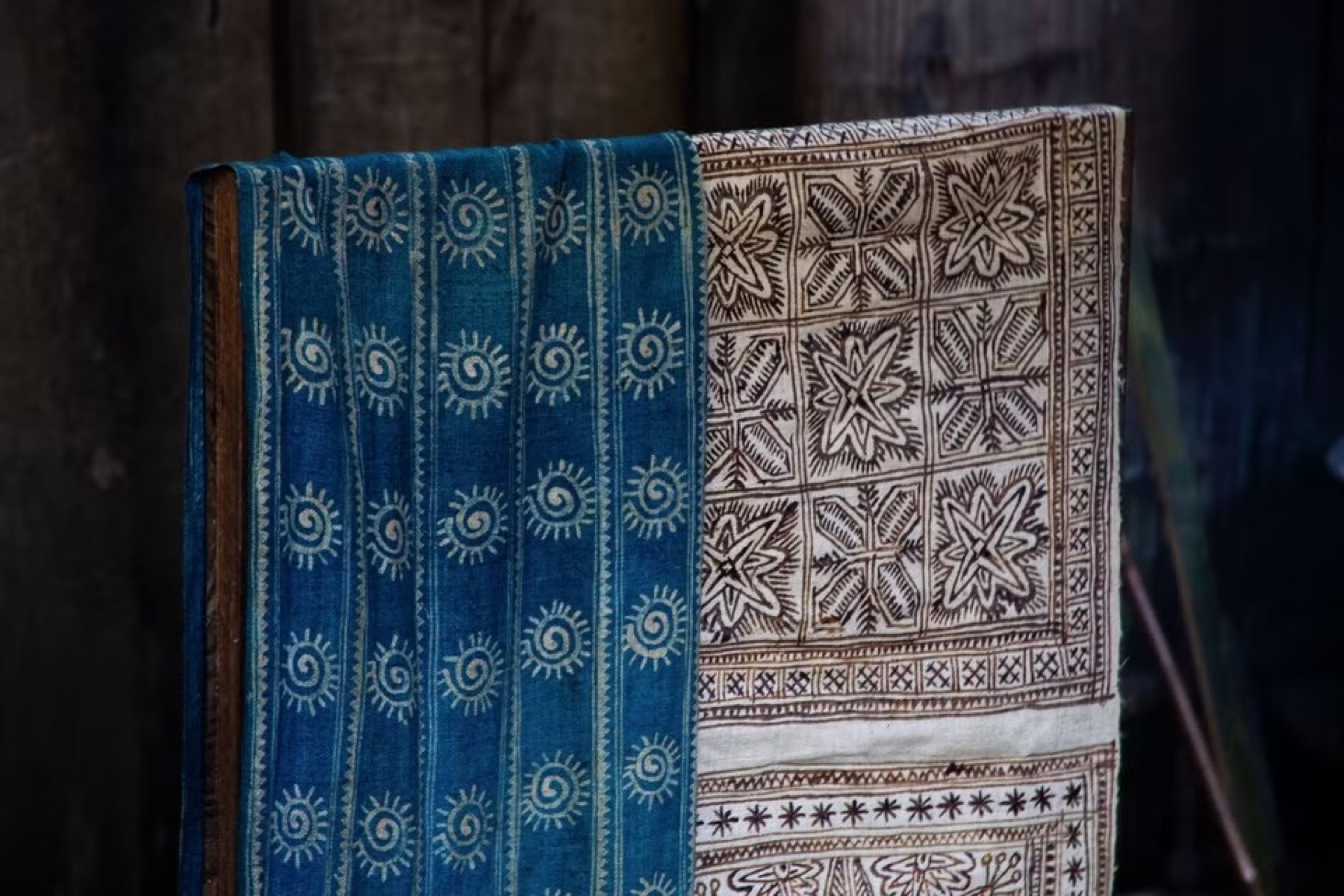
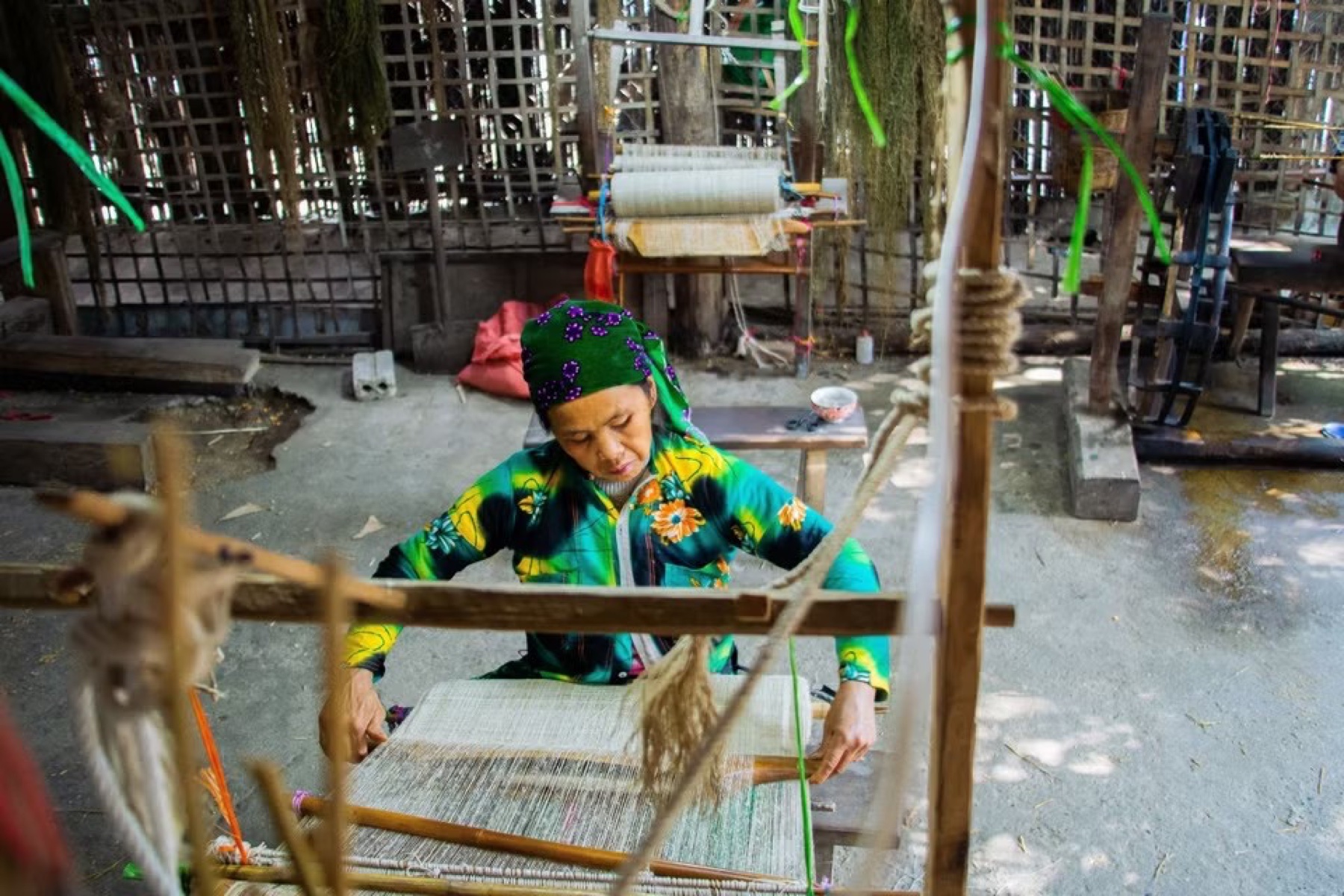
Photo: VietnamPlus / TTXVN
A single piece of linen goes through dozens of steps, almost all of them done by hand:
- Sowing and harvesting flax — the plants are grown in hillside fields, then cut and dried.
- Stripping the fibres — each strip of bark is peeled off and pounded until soft.
- Joining and spinning the thread — Hmong women join and twist the fibres even while walking to market or minding their children. You'll see women holding rolls of linen thread everywhere along the Loop.
- Reeling, boiling and bleaching — the thread is wound onto a reel and boiled several times until it is white and supple.
- Weaving on a traditional wooden loom.
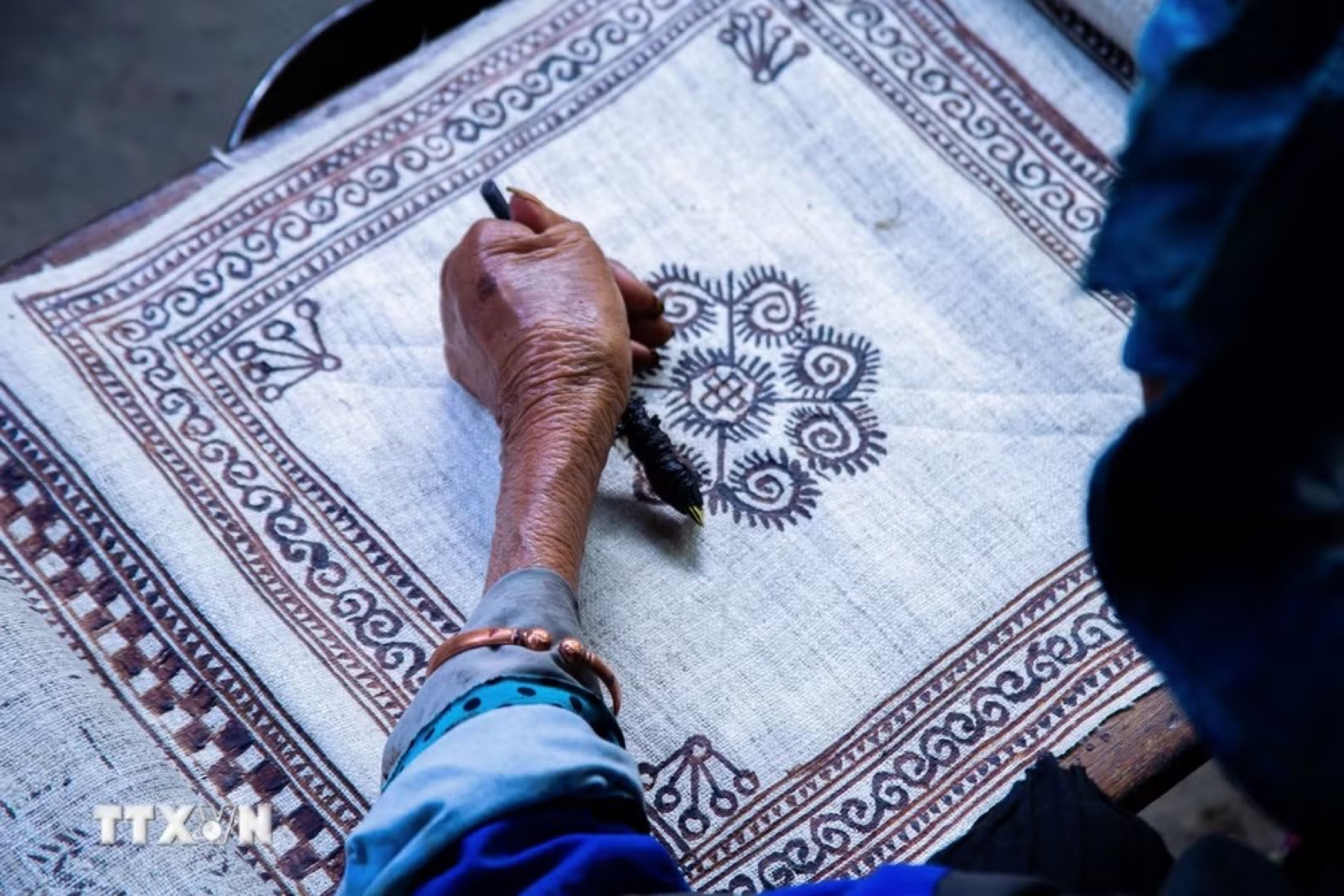
- Beeswax drawing — the most painstaking stage (see below).
- Indigo dyeing with leaves from the forest, then boiling to remove the wax, washing and drying.
The whole process can take months for a single length of cloth — so when you hold a linen bag in Lùng Tám, you're holding many, many hours of one artisan's work.
Beeswax Batik: Patterns That Tell Hmong Stories