

Learning to paraglide solo: how to start
Want to fly a paraglider on your own? The learning steps common to most flying schools, how long training takes, fitness, the costs to plan for — and why a tandem flight with a pilot is the best way to try it first.
Captain Mỹ · · 5 min read
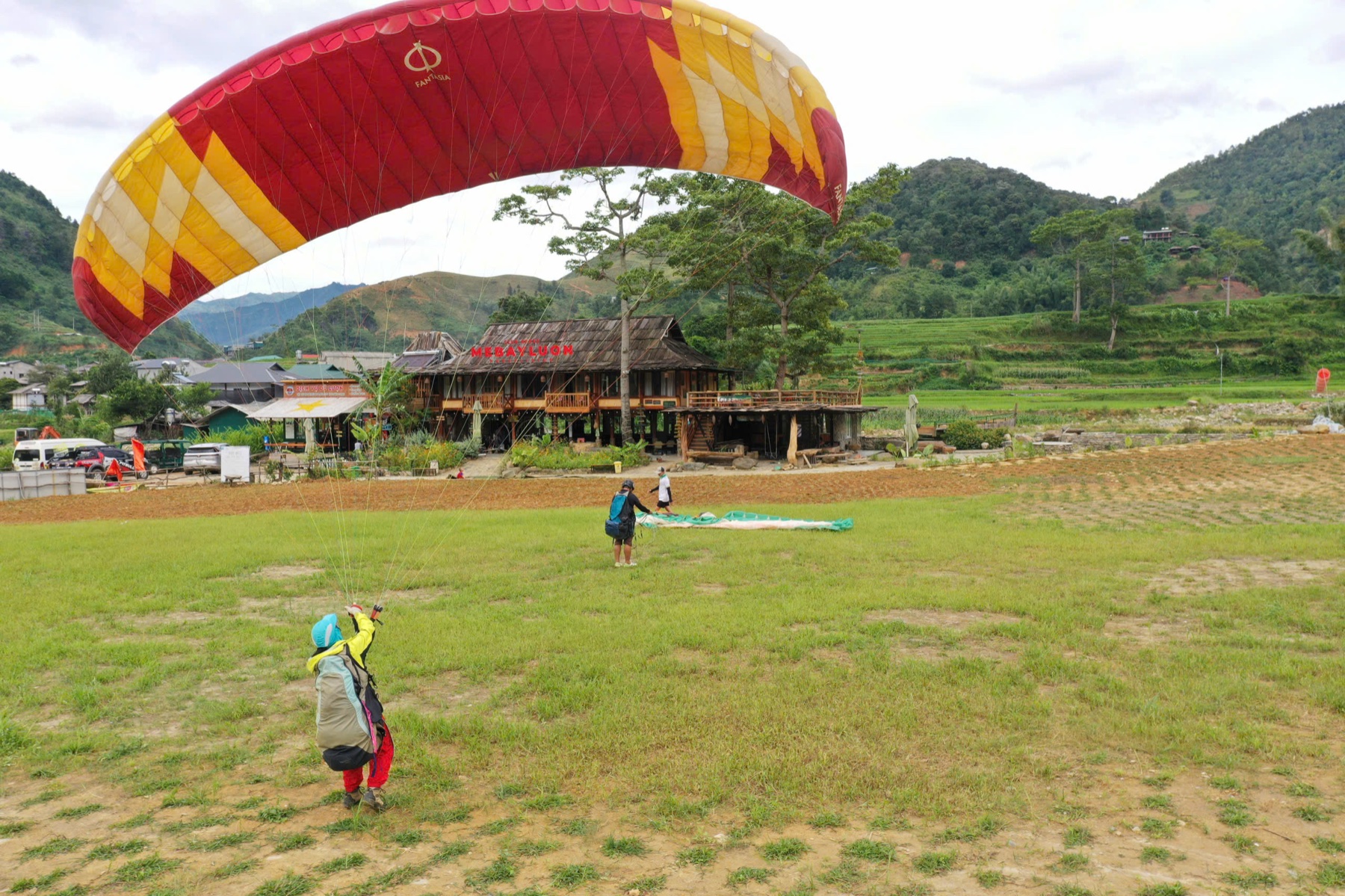
If you want to learn to paraglide solo, you usually start with a beginner course at a school or club with instructors: theory, practising wing control on the ground, short flights on a gentle slope, and only then high flights guided by radio. Depending on the weather and your ability, the beginner stage usually takes anywhere from a few days to a few weeks. Before you commit, the easiest way to find out whether the sport suits you is a tandem flight with a pilot.
Why fly tandem before you learn?
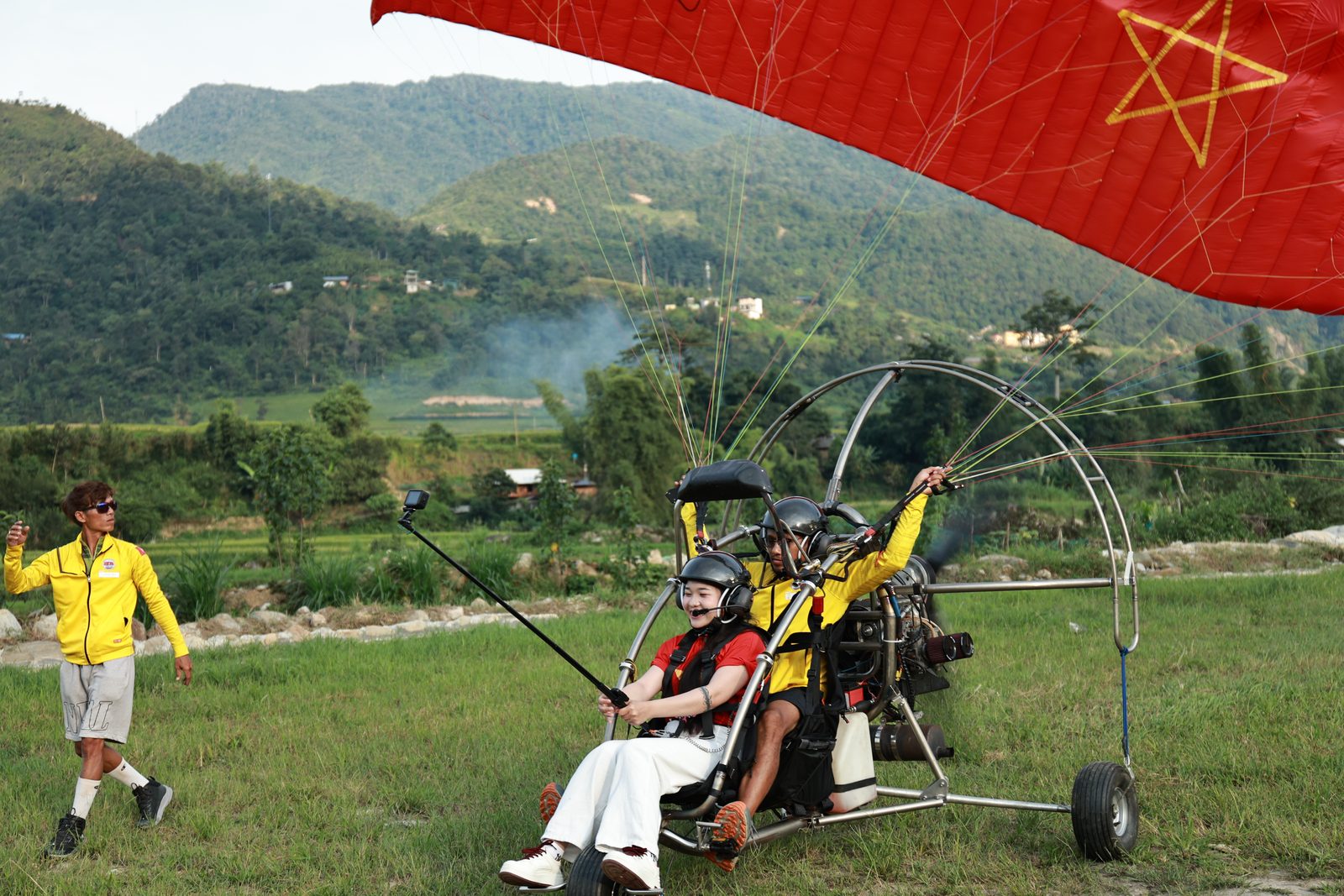
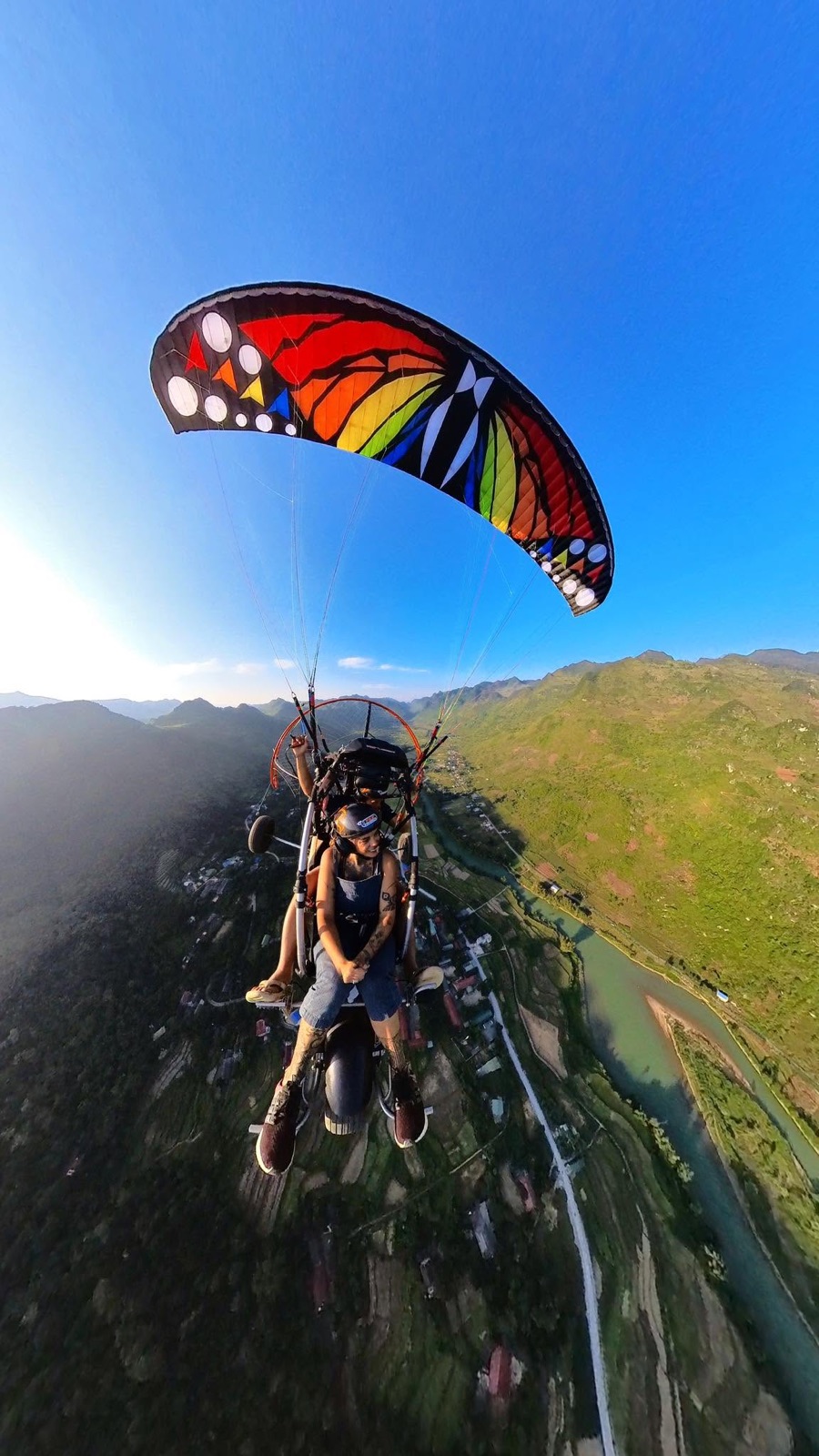
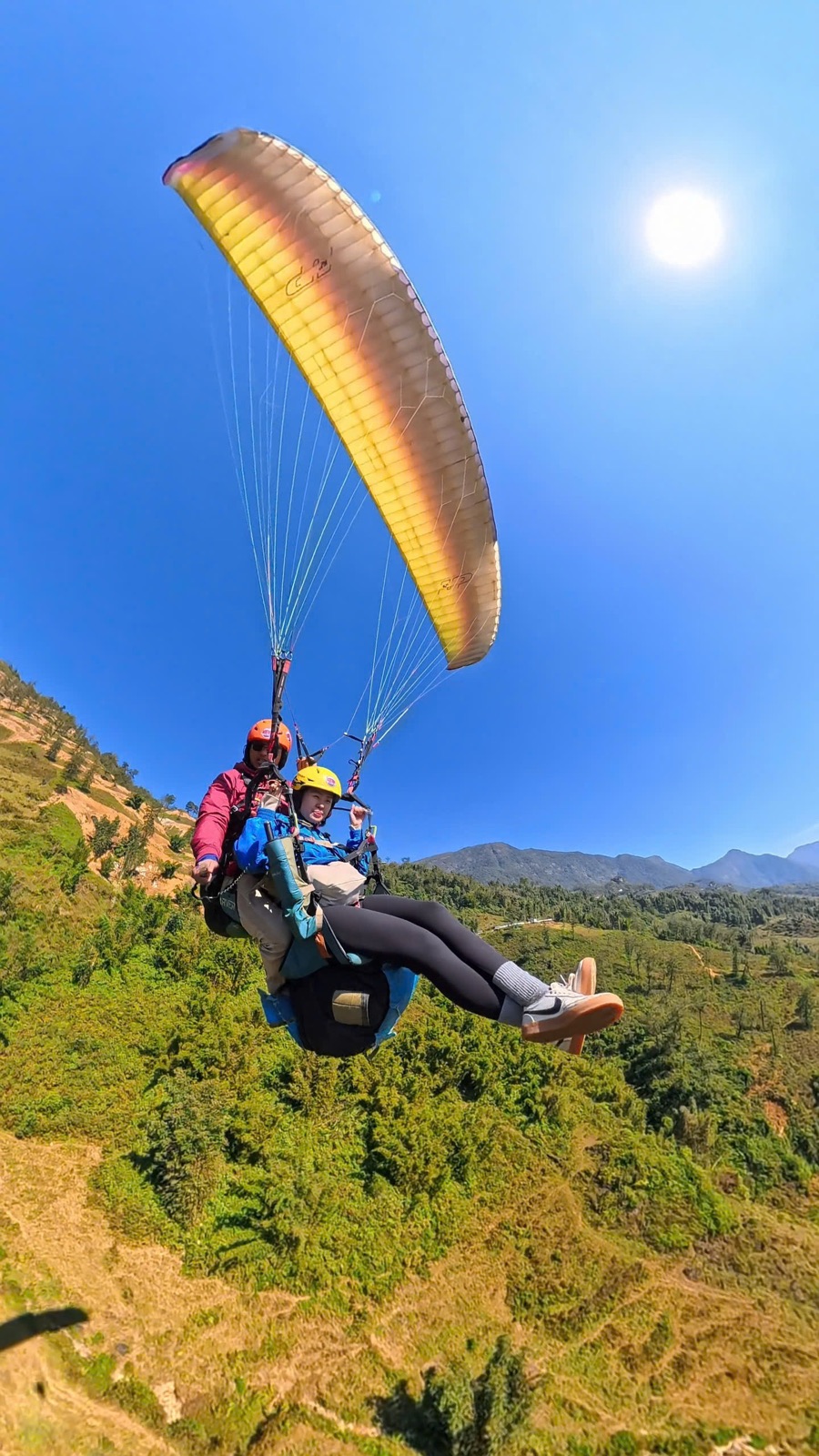
A tandem flight gives you the real feeling of paragliding without any skills needed: the run, the take-off, gliding over the valley, the landing. Afterwards you will know:
- Whether you really enjoy being up high.
- Whether you get airsick or dizzy.
- Whether you want to take the controls yourself or just prefer sitting back and enjoying the view.
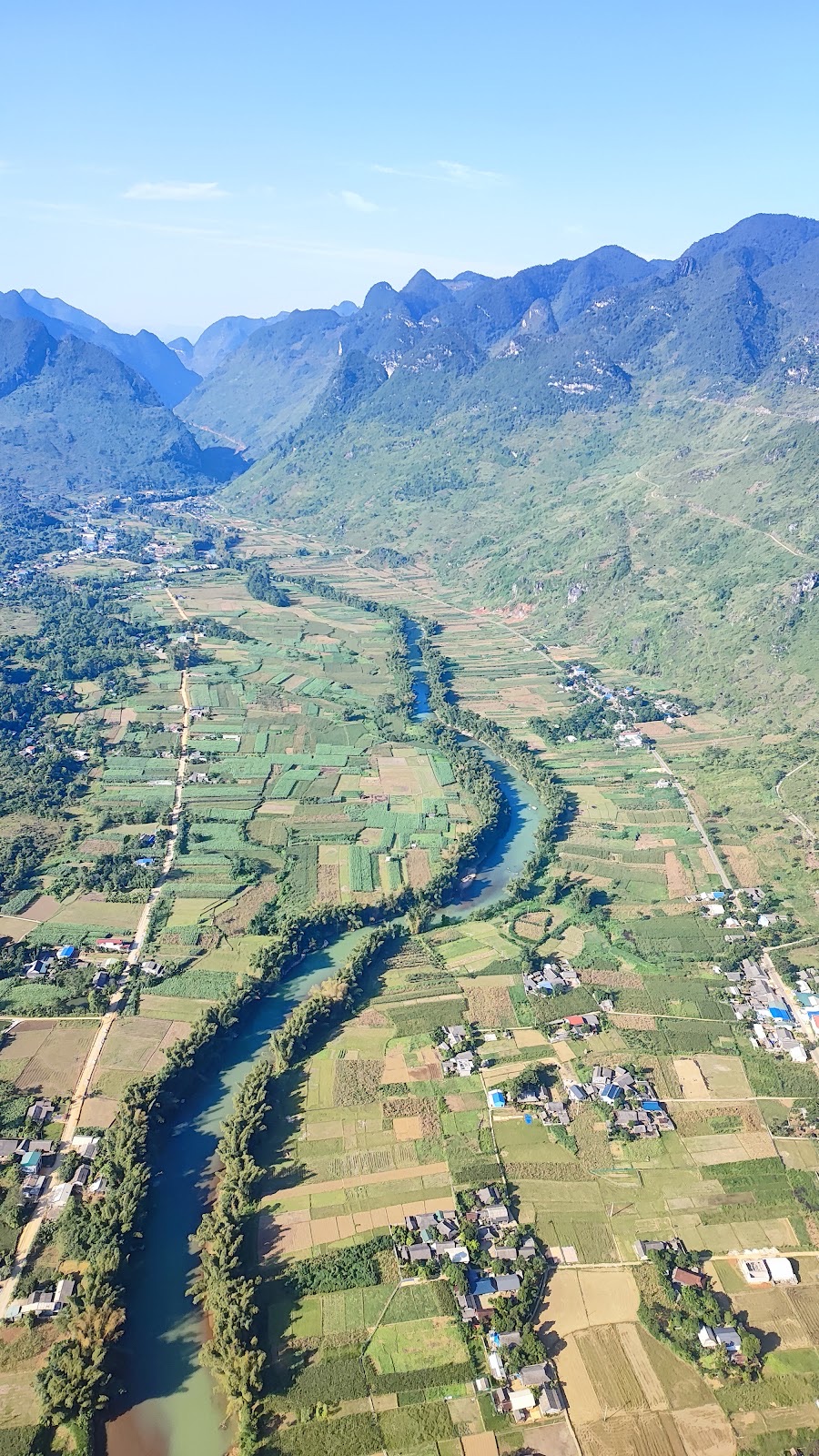
Many pilots started with a tandem flight just like that. In Quản Bạ, Hà Giang, you can book a tandem flight and ask the pilot directly about the path to learning once you've landed.
The usual steps to learning solo paragliding
Programmes vary from place to place, but they generally follow this order:
- Basic theory: meteorology, simple aerodynamics, air law, how wings and harnesses are built, handling incidents.
- Ground handling (controlling the wing on the ground): practising bringing the wing up overhead, keeping it stable and bringing it down. This takes the most effort but matters the most.
- Low-slope flights: running down a small slope, flying a few dozen metres and landing, over and over.
- First high flight: taking off from a higher site, with the instructor guiding you by radio from take-off and from the landing field.
- Building up flights: practising turns, approaches, precise landings and reading the wind.
- Recognition of basic level: depending on the country and system, students may receive a certificate of their level to fly at other sites.
After the beginner stage, pilots go on to learn thermalling, soaring, cross-country (XC) flying and advanced incident management.
How long does it take to learn paragliding?
| Stage | Typical time | Notes |
|---|---|---|
| Tandem discovery flight | One session | No prior training needed |
| Beginner course | A few days to a few weeks | Depends heavily on the weather |
| Supervised solo flying | A few months | Building up flights |
| Confident independent flying | Usually a year or more | Depends on how often you fly |
The weather is the biggest variable. A course can drag on because of windy or rainy days when flying isn't possible. Keep your schedule flexible.
Health and fitness required
Paragliding doesn't require you to be an athlete, but you do need:
- To be able to run a few quick steps down a slope and carry a paraglider backpack.
- Healthy knees, ankles and spine for safe landings.
- A calm mind and a willingness to follow instructions.
People with heart disease, high blood pressure, epilepsy, a spinal injury, or who are pregnant should not learn to fly — and cannot fly tandem either. If you have any other underlying condition, ask your doctor.
Gear and costs to plan for
During training, schools usually lend equipment. Once flying independently, pilots typically buy:
- A wing suited to their level (a beginner wing that is easy to fly and stable).
- A harness with back protection and a reserve parachute.
- A helmet, radio, variometer and high-top boots.
On top of that come travel to flying sites, insurance and site fees. Paragliding gear needs regular inspections, and the reserve must be repacked as recommended by the manufacturer.
Does Mebayluon teach solo flying?
Mebayluon Paragliding currently runs the Quản Bạ flying site for tandem paragliding and paramotor flights with Vietnamese and Nepali pilots. The team also trains pilots at Quản Bạ and the Khau Phạ Pass: the P1–P2 beginner course takes 5–7 days, and the training path and certificates are explained in the P1–P2 paragliding course on mebayluon.com. If you'd like to learn more about training, contact the team on the hotline +84 964 073 555 for direct advice. Find out more about the team on the pilots page.
Tips for anyone wanting to start
- Fly tandem a few times at different sites to understand wind and terrain.
- Read up on flying weather — start with our article on paragliding weather.
- Don't rush to buy gear before you've finished the basics.
- Choose a school with instructors, radios and clear safety procedures.
Frequently asked questions
How old do you have to be to learn solo paragliding?
It depends on local rules. Tandem is much easier: in Quản Bạ, children from 3 years old can fly with a pilot.
Can someone afraid of heights learn to fly?
Many people who are afraid of heights find paragliding gentle, because there is no feeling of falling. Try a tandem flight first, and see our article can you paraglide if you're afraid of heights.
After the course, can I fly passengers tandem straight away?
No. Flying passengers tandem requires many years of experience and specific tandem pilot training.
Should I teach myself from videos?
No. Videos help with theory, but take-off, landing and incident-handling skills must be learned in person with an instructor.
Book a flight: book online — no deposit, free cancellation
Hotline / Zalo / WhatsApp: +84 964 073 555
Read more: Quản Bạ flying site · Flying weather forecast · Hà Giang Loop stage by stage · Before you fly