

How to read a paragliding weather forecast
A guide to reading the paragliding forecast on the weather page for the Quản Bạ and Đồng Văn flying sites: hourly flyability, wind, gusts, clouds, thermals, Skew‑T, meteograms, airgrams and model comparison.
Đội trưởng Mỹ · · 5 min read
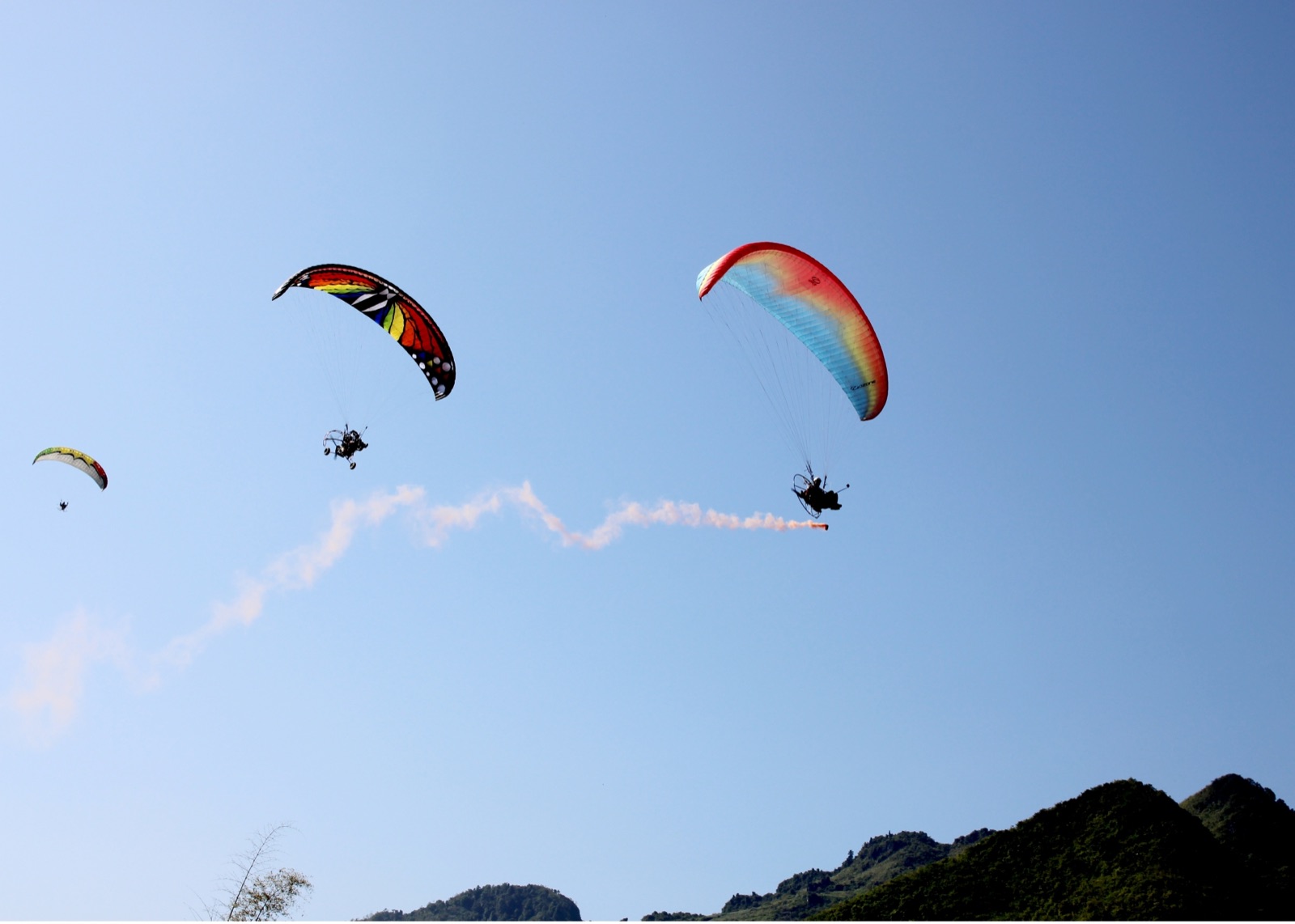
To read a paragliding weather forecast, just go through it in order: the hourly flying rating, wind direction and strength, gusts, rain and clouds, and only then the in-depth charts such as Skew‑T or the meteogram. The flying weather forecast page for the Quản Bạ and Đồng Văn sites brings all of this together in one place. This article walks you through each section so you can pick a good day and a good time to fly.
Step 1: Choose the right flying site
At the top of the page there is a toggle between the two sites:
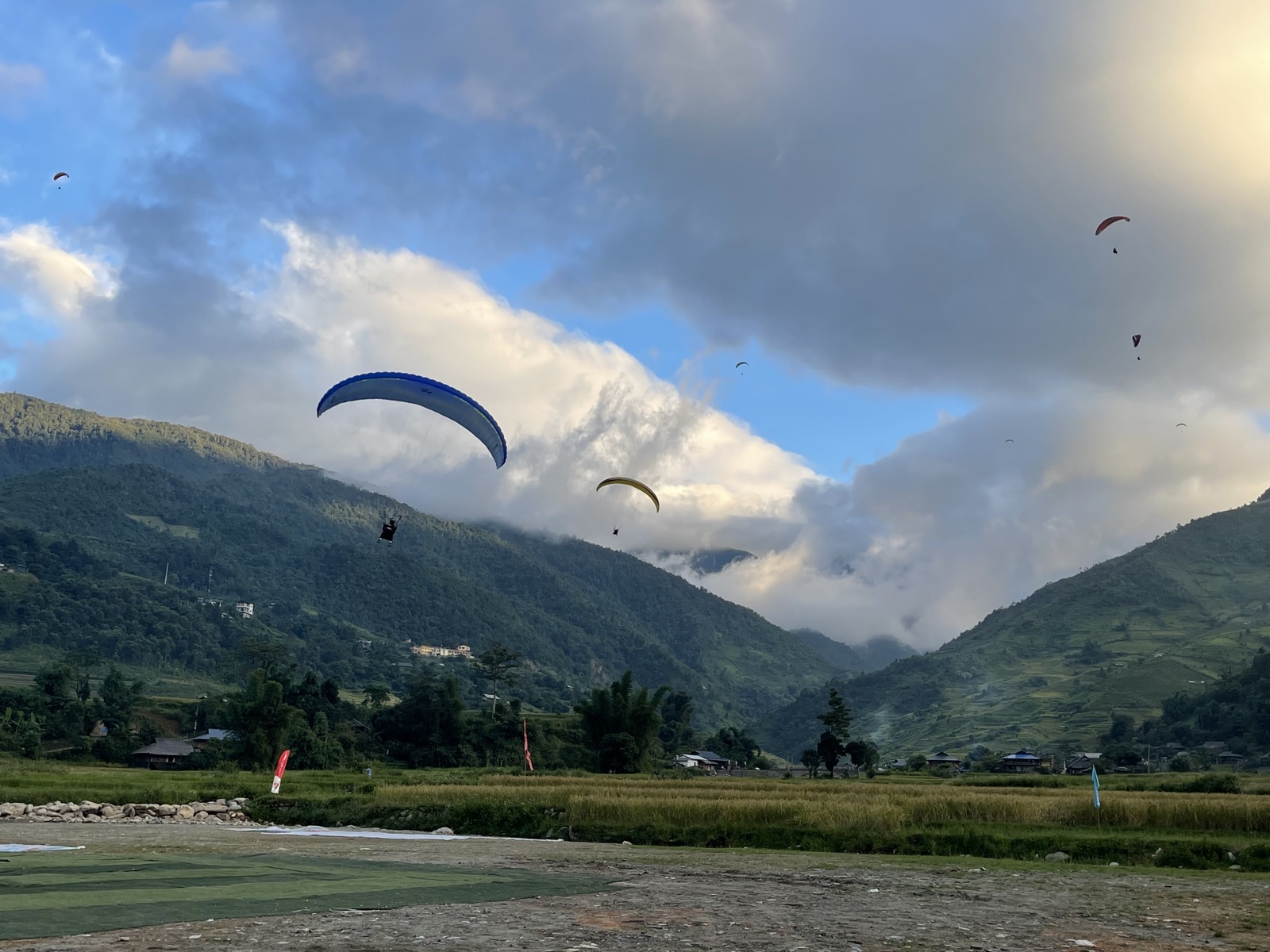
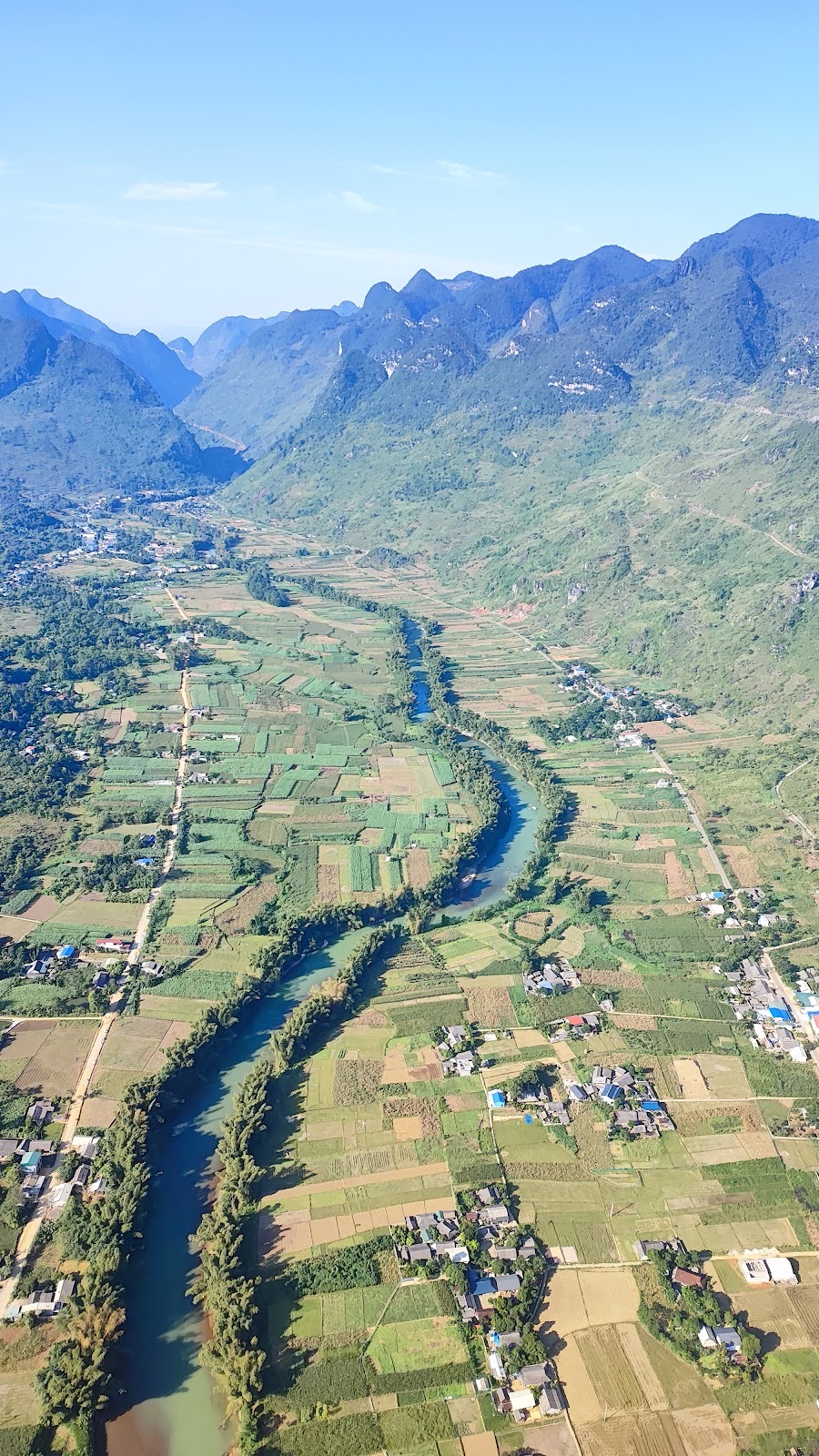
- Quản Bạ · Paragliding & Paramotor — the Tam Sơn valley, Km45 of the Hà Giang Loop. The paragliding take-off is on a hillside at 950 m, and the landing field is a flat area by the river at around 450 m.
- Đồng Văn · Paragliding — paragliding only, with flights scheduled in advance depending on the wind.
The weather at the two sites can differ quite a lot on the same day, so make sure you check the site you actually plan to visit.
Step 2: Look at the hourly flying rating
The forecast covers 10 days, and every hour is rated using the rules pilots rely on:
| Colour / label | Meaning |
|---|---|
| Good to fly | Wind, clouds and rain are all within safe limits |
| Marginal | Some factors are close to the limit; the pilot will check actual conditions on site |
| No flying | Strong wind, gusts, rain or low cloud — not advisable to fly |
Alongside this you'll find an expert score from 0 to 100 and a day outlook that sums up the whole day in words. If you don't have time to read the charts, these two sections are all you need to choose a time slot.
Step 3: Wind and gusts
Wind is the single most important factor for paragliding.
- Wind direction: a paraglider needs the wind blowing straight onto the take-off slope. The wind arrow shows where the wind is coming from.
- Average wind speed: if the wind is too light, the glider struggles to stay up for long; if it's too strong, take-off and landing aren't safe.
- Gusts: look at the gap between the average wind and the gusts. A light average wind with strong gusts means the air is turbulent.
A simple tip: early morning and late afternoon are usually calmer, while thermals are stronger around midday. That's why many people love the morning cloud-chasing package or the sunset flight in the afternoon.